

Deduction: Interpretation of the artifact's sensory and emotional impact, considering how it might have been perceived by its original users.
SOFTWARE:
ADOBE CREATIVE SUITE
LOGIC PRO X
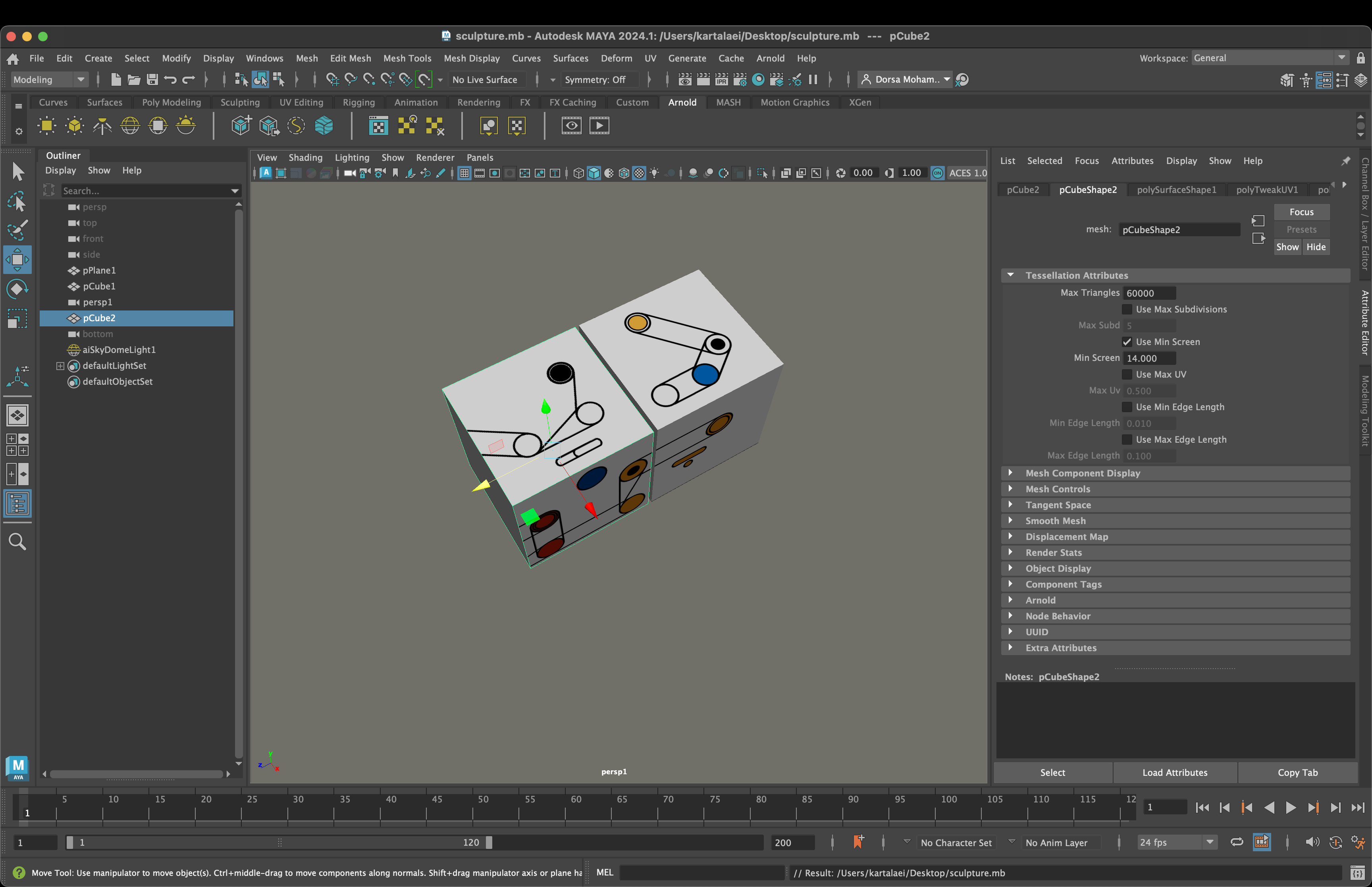
MAYA 3D
BLENDER
FIGMA
TBD








TORONTO BASED GRAPHIC DESIGNER
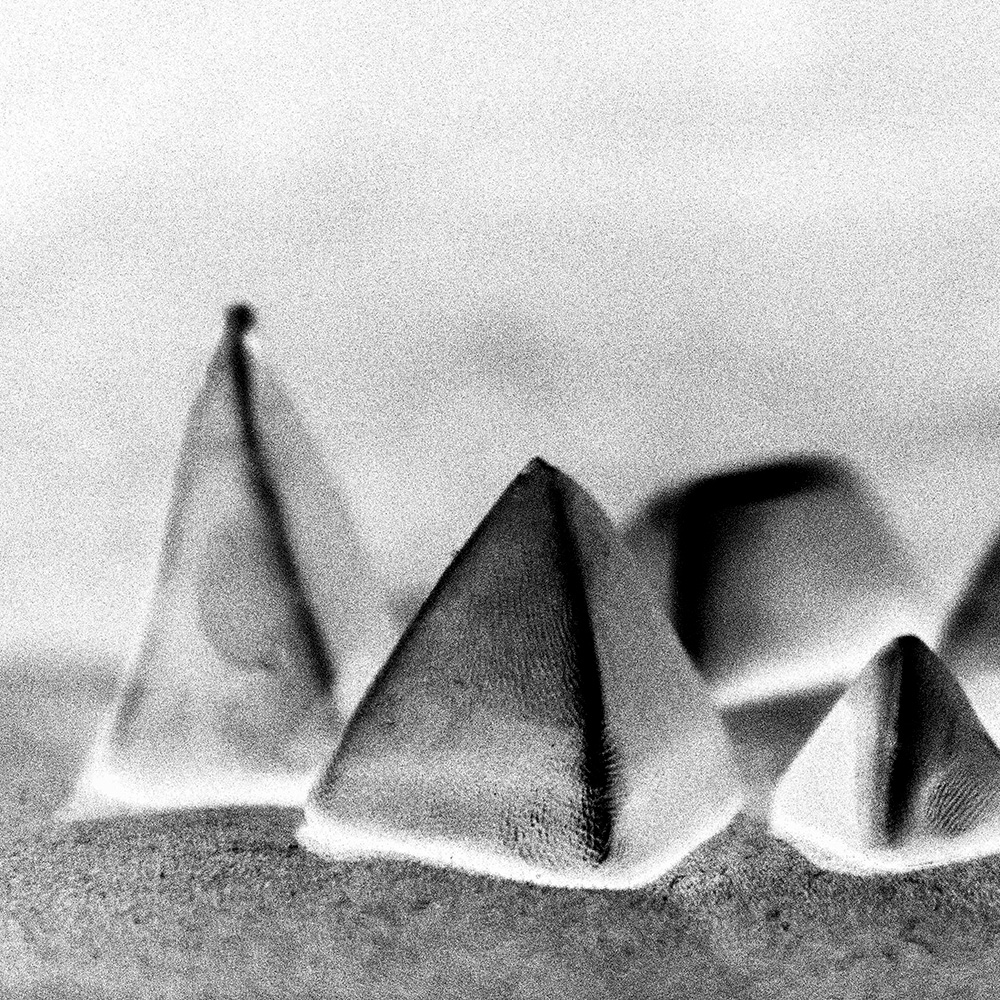
Progress often feels stagnant, stalled by the assumption that you need to define a purpose or articulate an intention. But what if, this time, you begin differently? Choose a simple object, observe its visual properties. Where does it sit within your aesthetic? What does it evoke or resist?
PLAY
Mind in Matter
Jules David Prown
Prown, J. D. (1982). Mind in matter: An introduction to material culture theory and method. Winterthur Portfolio, 17(1), 1–19. https://doi.org/10.1086/496065Scribd+2
Deduction: Interpretation of the artifact's sensory and emotional impact, considering how it might have been perceived by its original users.
Description: An objective, detailed account of the artifact's physical characteristics, including materials, dimensions, and construction techniques.
Speculation: Formulation of hypotheses about the artifact's cultural significance, exploring what it reveals about the society's values and beliefs.

Scroll to view more.
LEGEND:
■ Thesis
■ Not directly related to Thesis/Observations
■ Glossary
* * * * * * * *
Sonic materialism - auditory imaginationString theory Meta physiques of soundThe speed of soundMusic as processed by emotions through visuals Ostensibility of sound Sound and time
Alzheimer’s patients soundPeople react to sound
Why does sound become music
Temptation of music Science of sound
Aerial imaging taken to where? How far can we push this scenario? What is the purpose of texture? What am I willing to spend a year on? How shallow can something really be? The simpler ideas can be messed around with more.
“As we look back at the twentieth century, the concept of the moving image, as it has been employed to express representational and abstract imagery through recorded and virtual technologies, constitutes a powerful discourse maintained across different media.The concept of the moving, temporal image is a key modality through which artists have articulated new strategies and forms of image making; to understand them, we need to fashion historiographic models and theoretical interpretations that locate the moving image as central in our visual culture."- Nam Jun Paik
The Seoul of FluxusThe Cinematic Avant-Garde
https://www.paikstudios.com/
Shuya Abe, Norman Ballard, and Horst Bauman
Robot K-456 (1964)
Fluxus avant-garde movement of the 60s. - - - George Maciunas
https://www.moma.org/collection/works/127873?artist_id=21398&page=1&sov_referrer=artist
.//…/././....././/.…. ...////././.././//.//.//././.…/../…/.///..//.////..
Kinetic sculptures Incised plaster
Questions:
What is it that I’m trying to prove? What is it going to ask? Should it provide an answer rather than an exploration of a possibility? Should it be a tool to further expand? Does it have to be a concept? A finished concept? What if I don’t have the tools to expand this concept. What is the budget? How is sound relevant to what my story is? Does it have to be as complicated as I think it should? Am I over-thinking this situation again?
…. /// .// /./. ./ /. .. /// ../ /. ./.. .//. ./. /// …/ .. /.. . ./ /. ./ /. … . ./. ?
.// …. ./ / .. … / …. . ./// /// ../ ./. /. . /.// ?
.////..///…//…./…../….//…///..////./////
Can this installation be a farewell to a very difficult and long chapter?
I have chosen sound as it constitutes one of the most significant sensory triggers for me in this context. It becomes very specific, but I have very distinct categories that I could make for each frequency and volume of man-made noise. Instruments enter this hemisphere and merge into the natural productions.
EAR CASTING:
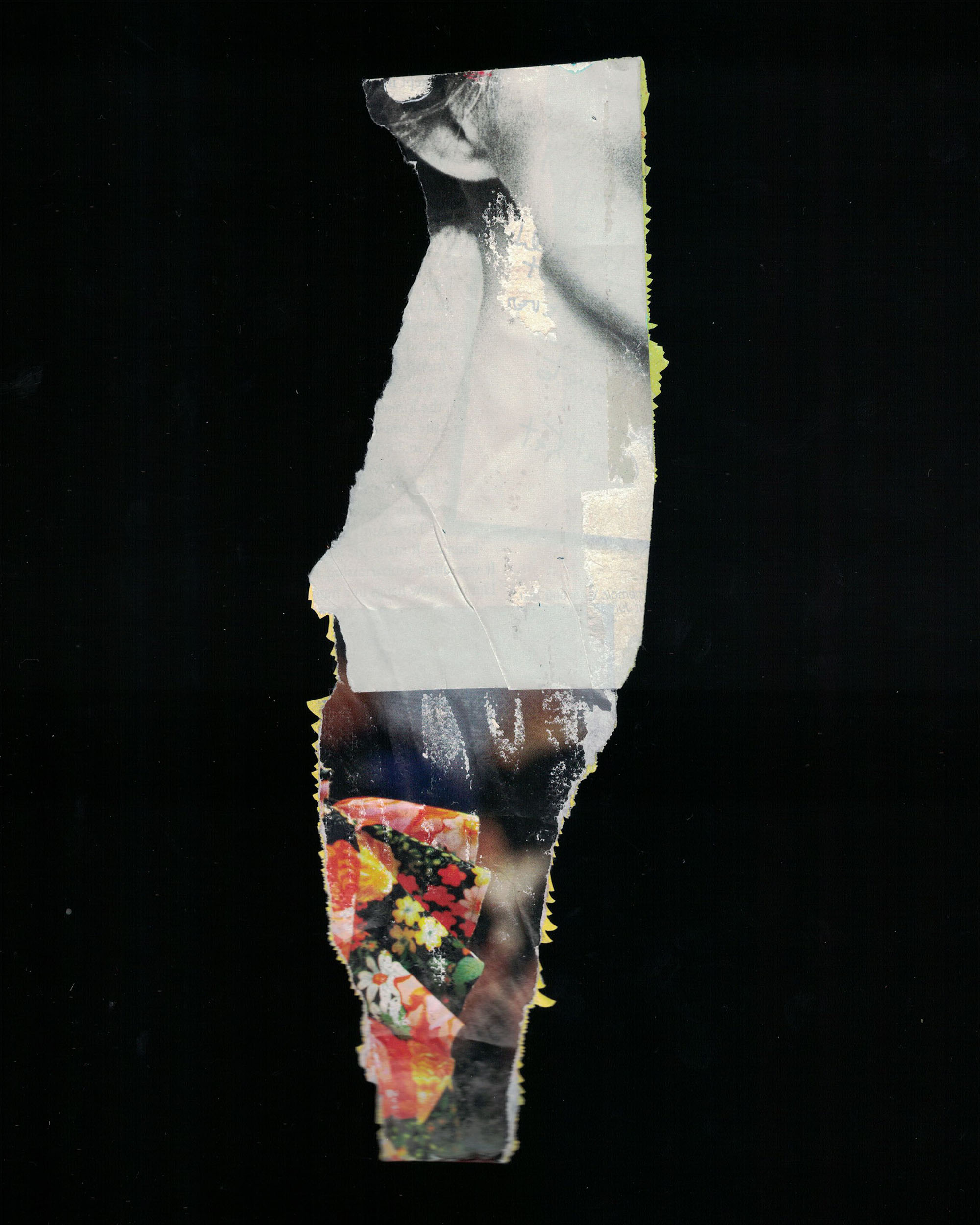
Casting the ears that are interviewed using plaster. The physical recipient of the immaterial and unrecorded evidence. The entry to the epistemic understanding of this project. How can it become the symbolism for something in the past. A portal to the past. Our neurological recollections and the present nothings existence at the same time, the only remanent of this event (happening) is the materialism and documentation of the body part that has received them. It is an apology to ourselves.
The un-design manifesto: NOT TO BE MISTAKEN WITH ANTI-DESIGN.
Strained of colours and over-enthusiasm of colour. The user interface and dumbed down sugar-coating of work. The easy-access and lack of proper search, feeding into the fast consumption of information. This project is aimed at the easy-user. By straining one of the colours and quotes of technology we present the foundations and virtual truths of the facade they’ve been dealing with. This is not meant to be a reenactment of minimalism or an intensive stride towards universalism, however, it is an outreach to wipe away the western charisma of design off-of information. For purely communicative intentions. The hierarchies are meant to be kept, but no longer are we concerned with the palettes and colour codes, the labels and tyranny of corporate conducts of what a good visual is. It might appear as boring, but it is also a meditative practice to no end. The more we tether to these devices, the less vivid everything else seems, perhaps one of the intentions of this practice is to bring about the monochromatic process of indulging in necessary “pleasures”.
The first experiment is to tun digital into complete grayscale and document the differences. Note the accessibility and the differences it makes in ones life. Provide a somewhat thorough answer to the necessities of colour in design.
Does it become boring? Does it depend on the task that you are trying to ensue? Does it derive focus away form the unnecessary accentuations and ornamentations of the digital media?
At first glance on YouTube: a fear of missing out when observing the thumbnails of the videos.
This feeling slowly faded away as I found myself more indulged in observing the information being handed to me through vocal and oral communication.
However, this feeling might also be in biases to my own studies of the topic.
The second task would be to expose myself to the monochrome for an extended period of time and report on that issue in regard to different software and use.
I’m not sure if it is my current operating system or other phenomena, but something feels almost strained and tense. There is a feeling that my vision is lacking variety and it can become tiresome for longer periods of media consumption.
Kind of suffocating in a way.
Sound artists:
Harry Bertoia - “Sonambients” sound sculptures.
Survival = design
What are we NOT ALLOWED TO DO for our thesis? What are the limitations? Can I make a list?
Can it just be a year of catching up with life?
Can they thematically not be related to each other?
Schedule your work shop research days.
CASTING:
https://christienmeindertsma.com/The-Earthshot-Prize
So maybe creating a narrative through plaster. So instead of creating molds of the ears I create indentations of the ears. Or a body part being pushed down onto “earth” or the “moon”. They reached the moon and touched down, so now what? They’ve conquered the surface of where they need belonged. What comes next for them?
Children fleeting earth.
What if the moon actually belong to this who have been wronged. If you suffer enough you get to leave and create your own civilization.
If you have been bullied and bashed enough you get a free ticket and training to flee and create an oasis there. Drama bond with the other kids/adults and better each other?
What will come of that? Will it turn into an asylum away from earth? Assuming that it was their own decision to go there, what will it look like? Will it be lord of the flies but with no gravity?
What are the things that have hurt them and will they just float into non-existence?
1: Dialogue between two victims - in red.
Dialogue in red to mark the existence of the script within this chaos.
A new form of civilization but it has nothing to do with humanism. It is merely and purely focused on growing nature. A natural society. Could they ever be one with nature and respond to the spirits? A planet that is only metaphysical. The imprints of their adventures in the moon. A narrative told solely based on plaster prints and physical imprints. How many types of molds can be done? How big must they be? Can the drafts be just ink prints of hands? Hand prints of paint? Remnants is the story? The nothingness. What is the purpose of this text?
Stripping all the design from urban areas, and replacing them with International Klein blue to illustrate the nothingness and unnecessary of branding in certain areas.
Not that design or informational graphics are unnecessary but rather, attempting to regain simplicity and UNDESIGN within such a visually polluted space.
Dealing down everything to primitive symbolism and non-language aspect of society. Creating a homophonic visual noise.
▩ ◧ ▣ ▥ ◩ ◱ ◰ ◲ ◳
Stripping all the design from urban areas, and replacing them with International Klein blue to illustrate the nothingness and unnecessary of branding in certain areas.
Not that design or informational graphics are unnecessary but rather, attempting to regain simplicity and UNDESIGN within such a visually polluted space.
Dealing down everything to primitive symbolism and non-language aspect of society. Creating a homophonic visual noise.
Speculative Design … .//. . /./. ../ ./.. ./ / .. …/ .. . /.. . … .. //. /.
Fiction Design - Design Fiction ../. .. /./. / .. /// /. /.. . … .. //. /.
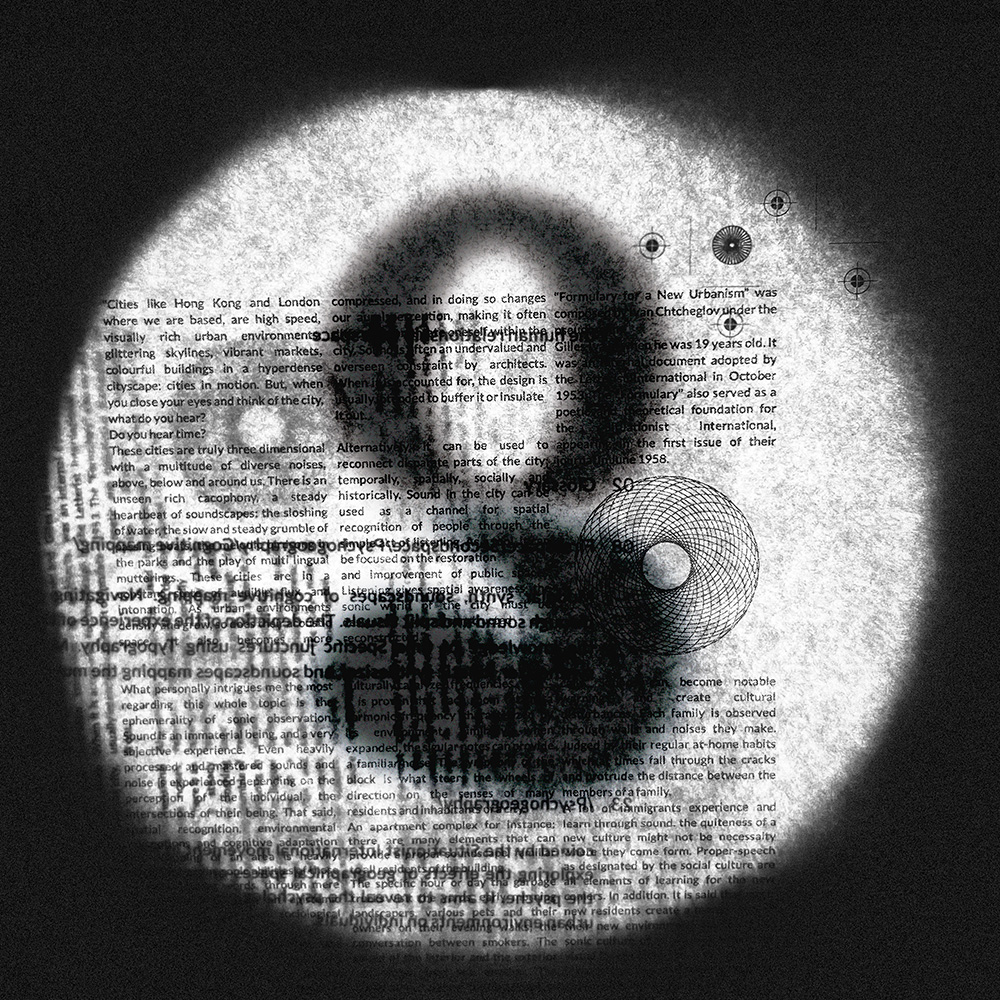
A gun scope - sniperscope zooming on objects and particles floating in space.
Vernacular of typography
WRITE DOWN YOUR IDEAS USING THE ACTIVE VOICEDo not be afraid to be more aggressive with it.
Objects of ephemera again? Repurposing our memories. Why do we record and collect memories. Why does our past and reliving it matter so much? What is the purpose of home videos? Why can’t I stop thinking about a mechanical KEYBOOARRDDDD!!!!!
TH ERE IS NO
The relationship between time, space, and the human body. Our marks on time and furniture. The tracks of existing. What makes an interior space worth living?
Self-driven and intact.
The concept of the body in relation to the space that it orientsThe construct of time and space. What exists in between?
The theory of social constructs:
- Theory in Social and cultural anthropology: An Encyclopedia BOOK
- gender and sex constructs - time and space constructs - social constructs in design - design as a reflection and facade of constructs
https://openresearch.ocadu.ca/id/eprint/131/1/Martin%20Ryan_MRP_Non-Creative%20Identity_Final%20OCAD.pdf
https://ebookcentral.proquest.com/lib/oculocad-ebooks/detail.action?docID=1024104&pq-origsite=primo
https://ebookcentral.proquest.com/lib/oculocad-ebooks/detail.action?pq-origsite=primo&docID=198382
https://ebookcentral.proquest.com/lib/oculocad-ebooks/detail.action?pq-origsite=primo&docID=1099907
ABSTRACT BODY PLASTERS
SYNONYMS: a platforms that generates related words through a map system. - this website helps refine new-get vocabulary and expand the definitions of everyday conversation.
Through interactive elements and design, this tool becomes easily utilized. The map system resembles the of a galaxy and universal constructs of space.
In addition, the words can be categorized through phrases and other verbatim.
Design a new system for thought.
As it develops, there will be content and intricately illustrated media to expand the project. - videos, 3D systems, charts.
Uncanny space, the notion of eerie or perhaps the non-verbal discomfort of existence in within a space. The impact of that quality on our perception of being. What qualities subsidize feelings within a space. What is the feeling that permeates through our environment hence, generating a new path for anthropocosmic relations. They initiate a psychological connection for us and allow for a new layer of phenomenologies to partake.
The Cultural Perception of Space: Expanding the Legacy of Edward T. Hall
CASSETTE TAPES - The smile opening act sampling of cassettes.
GLOSSARY:
- anthropocosmic
- codex
- uncanny
- phenomenology and psychoanalysis of space
- water towers
- interior
- Skepticism
- scope
- strategically staged
- Topoanalysis
- performative space (not performance)
- intercultural communication (and the relative perception of space)
- reference-frames (Spatial Orientation)
- Intrinsic reference frame (having 2 ref points)
- relative reference frame (having 3 or more ref points)
- Proxemics
- interpersonal space- PERCEPTIONS: sensory, cognitive, emotional, moral + cosmological, geographical, environmental, communal, residential, personal
- post-mortem realm
- environmental determinism
- Gemeinschaft
- Gesellschaft
- territoriality
- Nacirema
- American backwards
- multilocal
- multivocal
- polysemic
- “First Space” is the physical built environment, which can be mapped, quantifiably measured and 'seen' in the real world. It is the product of planning laws, political decisions and urban change over time. “Second Space” is conceptual space
- how that space is conceived in the minds of the people who inhabit it. by Edward W. Soja
- ”Third Space” reality; space can either be physical or an abstract space implying a context within which individuals unique yet hybridized identities by Homi K. Bhabha
- future languages; German, Chinese, Japanese, Dutch, Scandinavian. futureless languages; English, French, Italian, Spanish, and Greek. In certain languages you do not build time into the grammar. Ex. Will, did…
- The different perception of time in regard to language. Greek people view time as a three-dimensional entity( Time imagined as a “Container” ). The Aymara make “backwards gestures” when they talk about the future. (Mandarin speakers also imagine the future behind them; in addition. In language they refer to the concept of future with verbs such as “Down”)
- the orientation of written language influences how we perceive time, the linearity of it.
- Keith Chen
- “Futureless languages were more likely to engage in future-focused activities. Less likely to smoke, more likely to be physically active, and less likely to be obese.
- effects of language on how we orient ourselves in space. For instance our use of reference-frames - cardinal directions in everyday speech,
- focus on action in sight vs focus on holistic actions
- ubiquitous tendency of people to see themselves and their place of residence as the centre of the world, their knowledge of and interest in other regions diminishing rapidly with distance
- Similar to Gaston Bachelard’s description of the “Home”. Parallel with the psychoanalysis of a space through intimacy and perception
- the meaning of going back “Home” in Japanese culture
- the value of exterior privacy vs the interior
- Values that influence our perception of our places of residence: security, privacy status, aesthetics.
- “The western value of individualism hampers intercultural understanding, encouraging ethnocentric attitudes and a reluctance to consider alternative perceptions” Julian Baggins
The shape of design:
The improvisational process of creating and thinking. Comparison to Jazz and picking and choosing notes, pairing the homonymous elements to achieve a nuanced melody. I found that section particularly appealing because I find that a lot of what I do (obviously in my music) in the process of creating anything, even the hefty sum that required a lot of pre-planned process, I tend to wing it. I never like to be (or perhaps have the patience to be) to precise with anything. I like a good amount of preset rules and some fundamentals or a ruled canvas to begin with, but I’m not sure if I’m a fan of strict gridded guidelines and static targets to hit. I used to be very frustrated with my lack of ability to execute the exact product that I had in mind. The final result that I had pre-determined my materials to be. But I think I had been neglecting the beauty of the process, the beauty of learning and imperfections being equally illustrated in the physical product. This process of acceptance comes with a lot of exercise and a hefty amount of confidence in your skills. but, not being thoroughly disappointed with a creation and learning to accept the idea that its newness and somewhat alien look, the unfamiliarity between the projection of my brain and the physical reality is in fact one of the strong points.
In addition, I thought that the passage about Robert Irwin was a very nice coincidence. I learned that his process involves studying a space before designating a creation for it to display. curating the product in accordance with the energy and spirituality of the space seems like a very prominent basis for a lot of projects. This is a principle that a lot of us apply in everyday life. A basic fact of living, yet it has been applied in an unexpected practice. It is being utilized as where you would anticipate a ready product rather than a customized, ephemeral achievement.
Exceeding people’s expectations. Personalization of the results.
Pleasure and delight are functional.
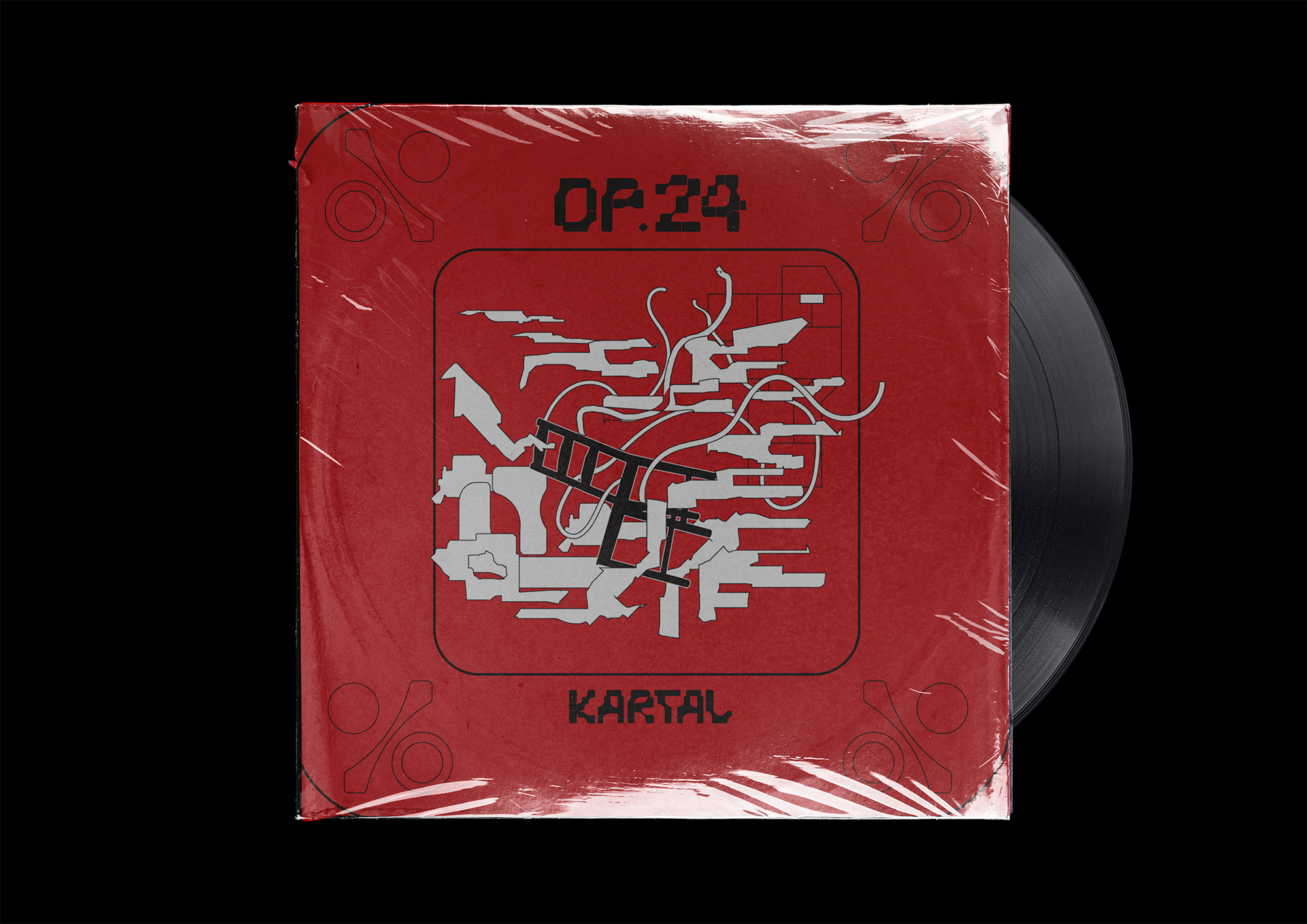
Cassette tapes:
Cover design and picketing experience, Gen x consumerism Space of nostalgia, Design triggering a landscapePainting sonar landscape using design
LADIES AND GENTLEMEN WE ARE FLOATING IN SPACE.
Adding value to people’s lives with this thesis.
“Engaged with and experienced both as a physical and ambient dimension, as distance, location, or topography, space is recognized as an important cultural medium, an idiom through which individuals can think and that can be culturally organized to produce spatial practices that are social, aesthetic, political, religious or economic. “
“Place is multilocal and multivocal: multilocal in the sense that it “shapes andexpresses polysemic meanings of place in different users” (Rodman 1992, 647)”
Decoding the human perception of space - decoding and systemizing the human relationship with space.
Classifications:
- First Space: physical environment. Interactive - Second space: Conceptual space/ perceived space
“First Space” is the physical built environment, which can be mapped, quantifiably measured and 'seen' in the real world. It is the product of planning laws, political decisions and urban change over time. “Second Space” is conceptual space- how that space is conceived in the minds of the people who inhabit it. by Edward W. Soja
Or in more broad detail (classifications):
- sensory; - cognitive (ex. language, philosophy, Psychology, Artificial) - moral (emotional); ethics and politics- cosmological, - geographical + environmental; - post-mortem;
- communal; - residential; - personal;
—--
Gravitation towards psychogeorgaphy as a coping mechanism with my habitat. Rather than sociological impacts of the topic and derivation from the “spectacle” to aim for purposeless paradigm’s, the derivé is perhaps an escapism of thought and physicality for the inner child.
Psychogeography is not restricted by form and regulations; The gravitation towards this is due to the oversaturated formalities of design. It is not just anti-grid, it is more likely another form of escapism from the defining confines of design.
There is no form or composition to what I’m about to make in the following weeks.
They are just piles of thought and visual information, such together by pure concept and nothing else.
I will naturally feel compelled to organize them, and will subconsciously put in my practices of composition, but I shall be aware of my attempts to breakaway from those confines.
The Flâneur
- Psychogeography revolves around the flâneur; typically a male figure recognized in 19th century Paris. The flâneur is defined as being a passive and detached observer wanderer of the streets, a term coined by Charles Baudelaire (Richardson, 2015). The flâneur has been a figure of interest for many years, although it has been acknowledged the flâneur is rarely seen as female. Wilson (2001) describes the flâneur to be a man of pleasure, and to feminists the embodiment of the ‘male gaze’ representing mastery over women. The flâneur’s freedom to walk carelessly through the city is a privilege limited to masculine freedom and, therefore, the flâneur is inescapably gendered (Wilson, 2001). However, Elkin (2016) refers to the female perspective, acknowledging women as the Flâneuse, going on to criticize the 19th century for discounting women.

CAMERA LIST:
1. CANON 6D MARK II
2. CANON AE-1
3. LUBITEL 2
4. IPHONE 13 PRO MAX
KODAK PORTRA 800: 35 MM
ILFORD HP5 PLUS ISO 400: 35 MM
KODAK ULTRAMAX 400: 35 MM
KODAK GOLD 120 MM
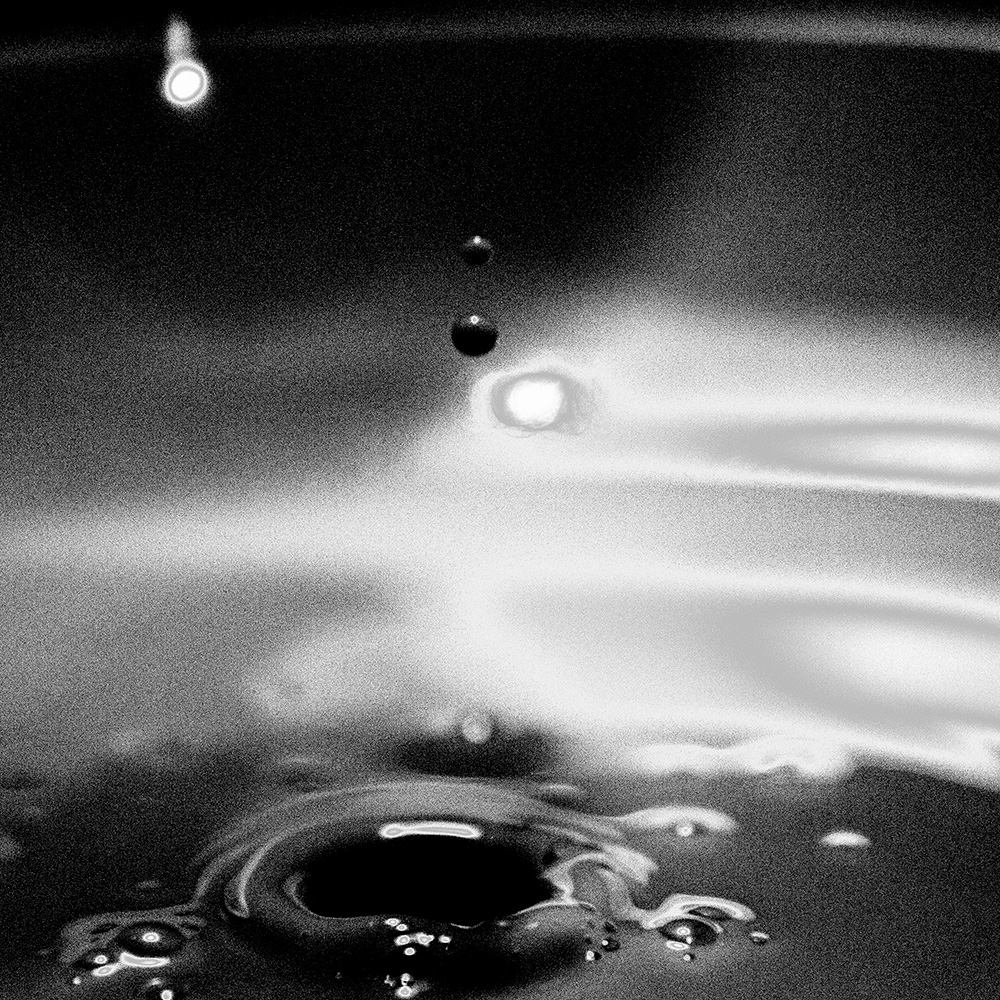
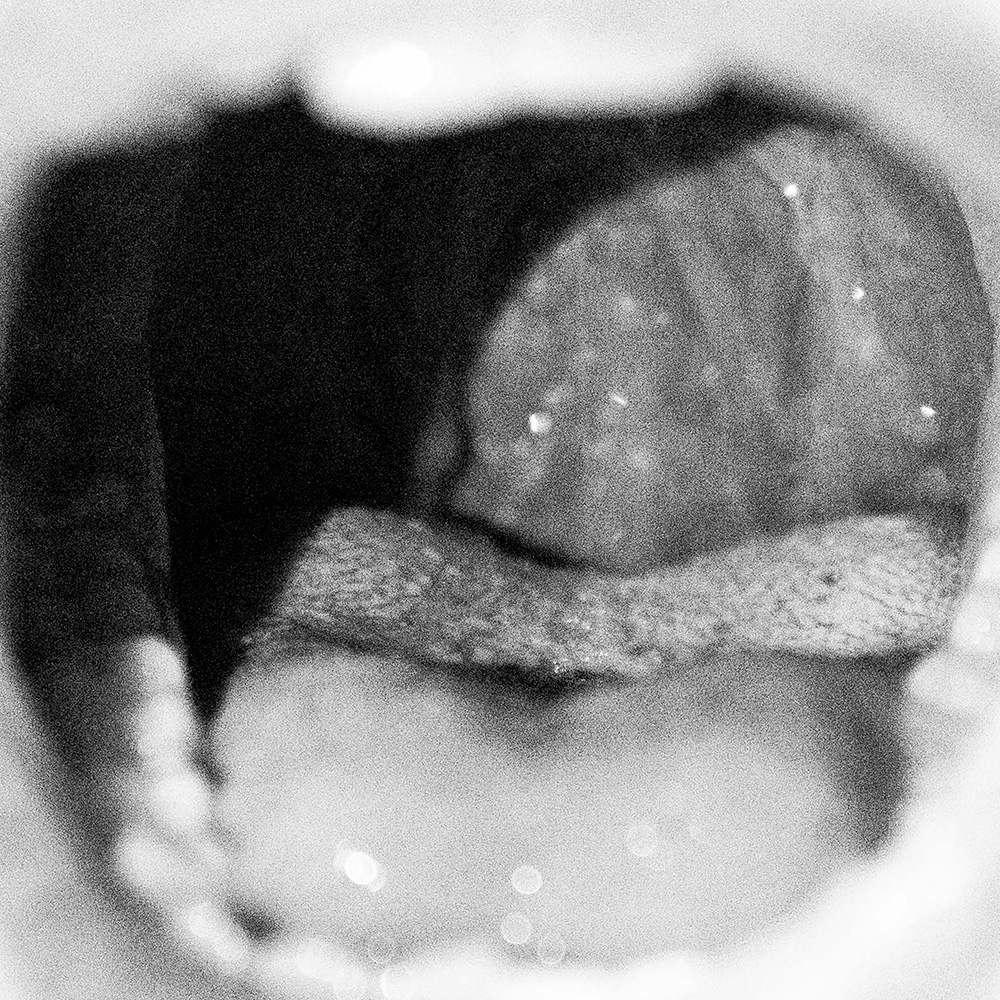
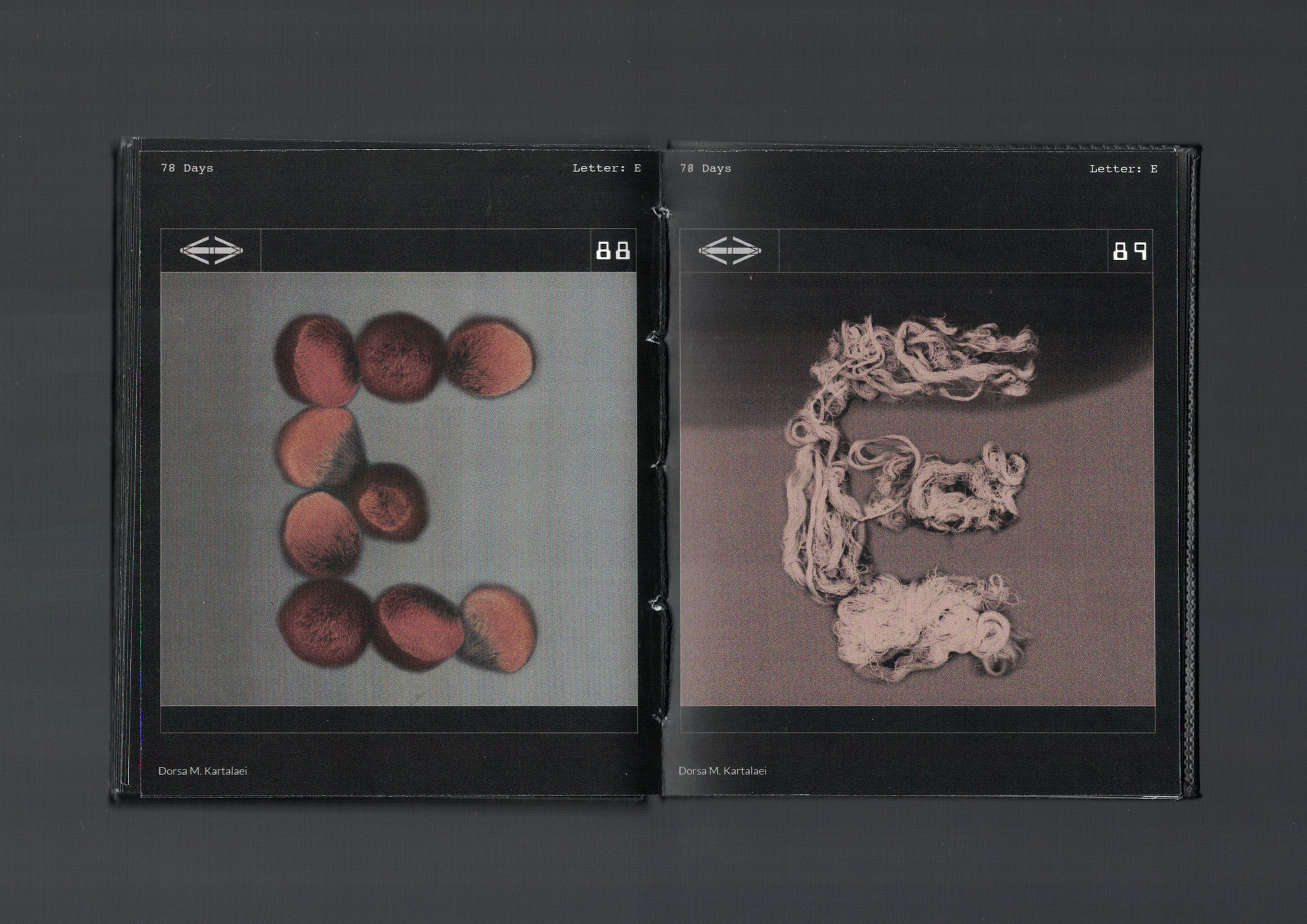
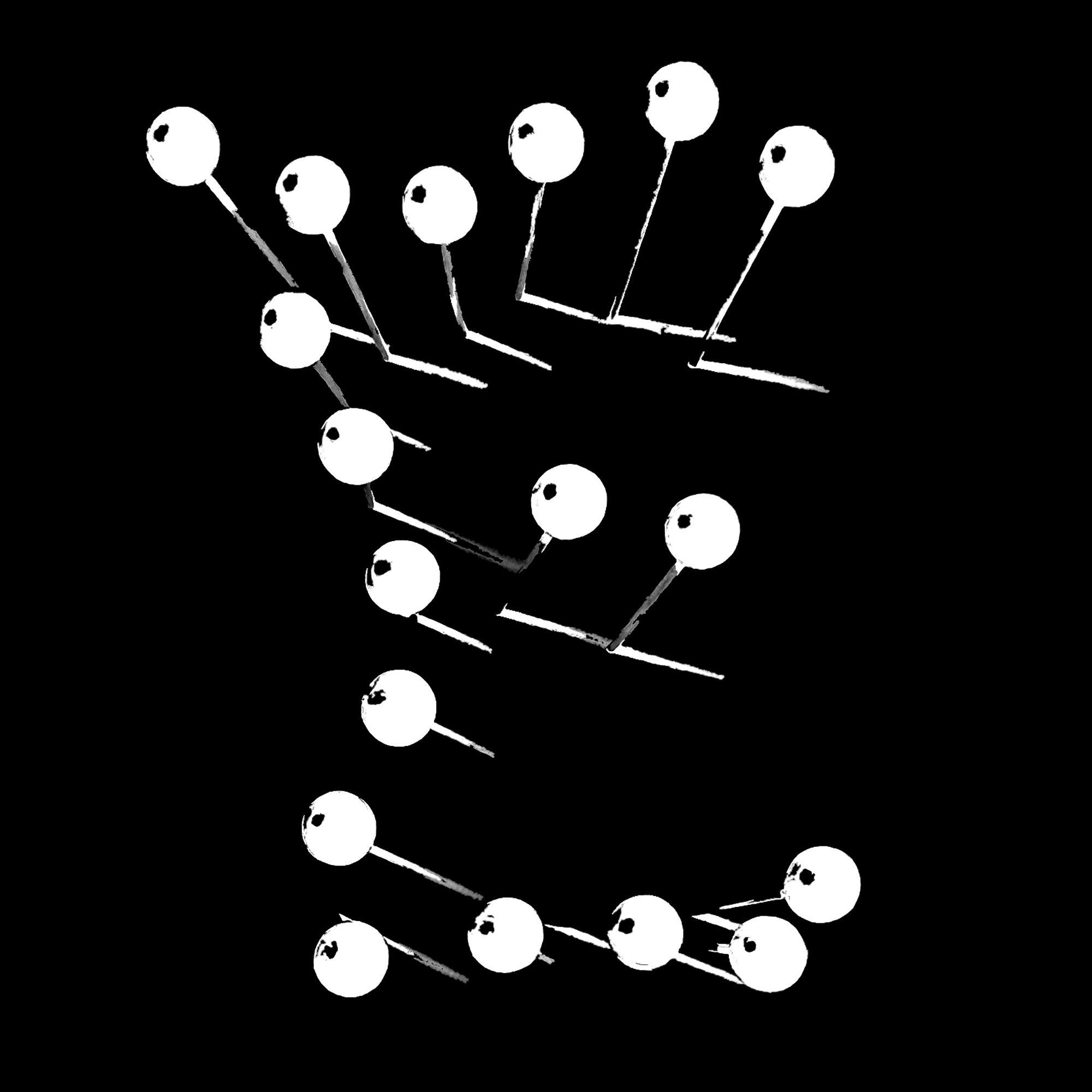
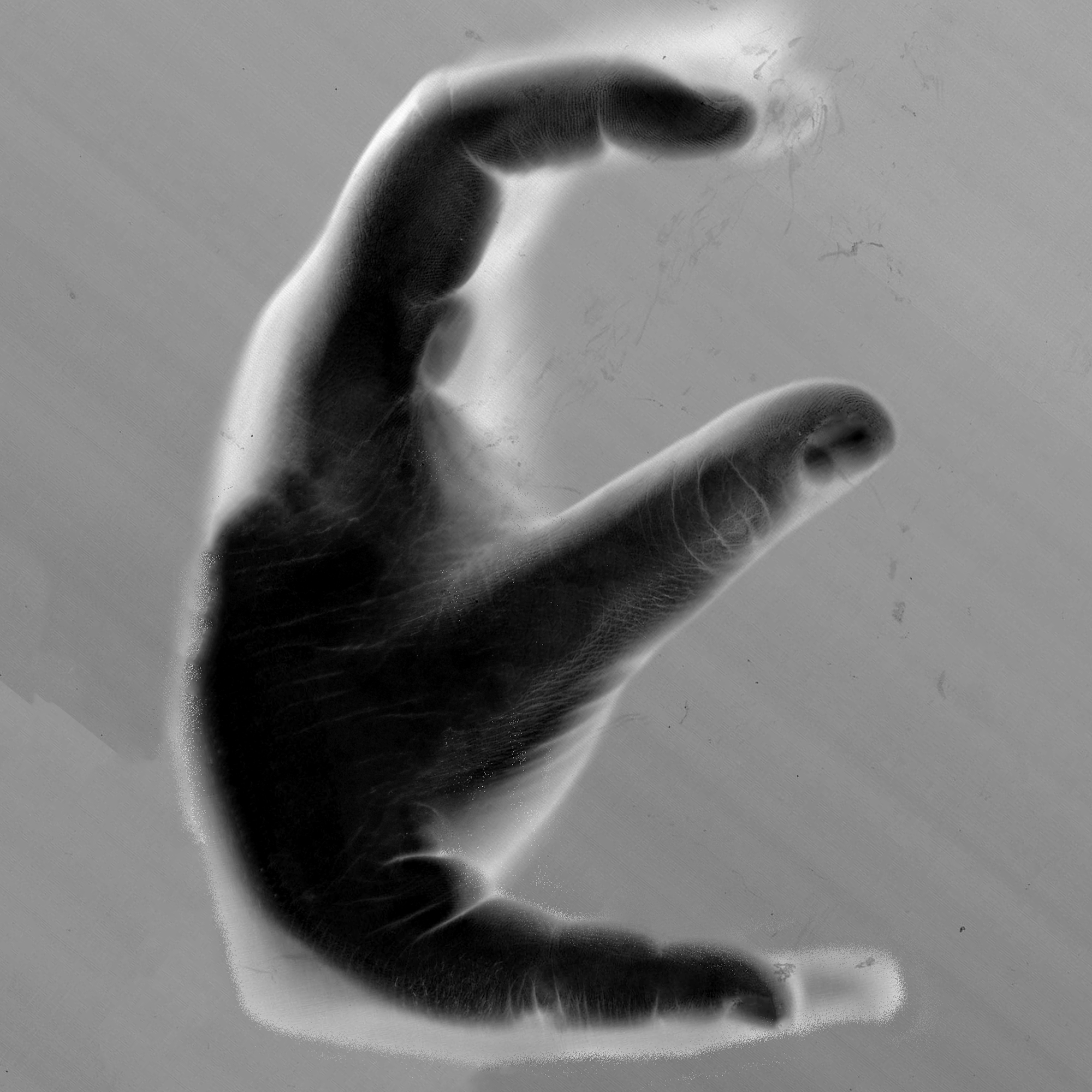
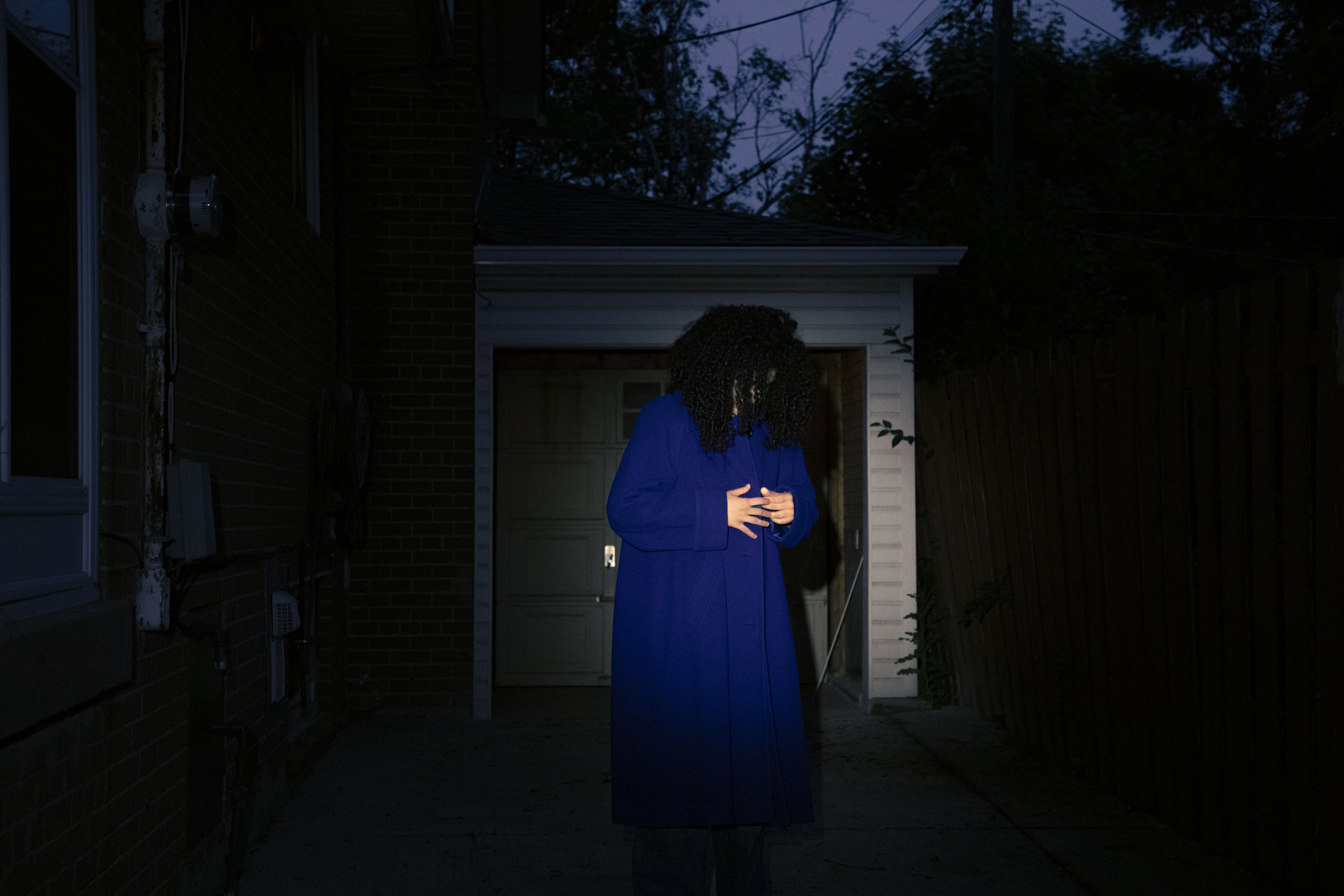
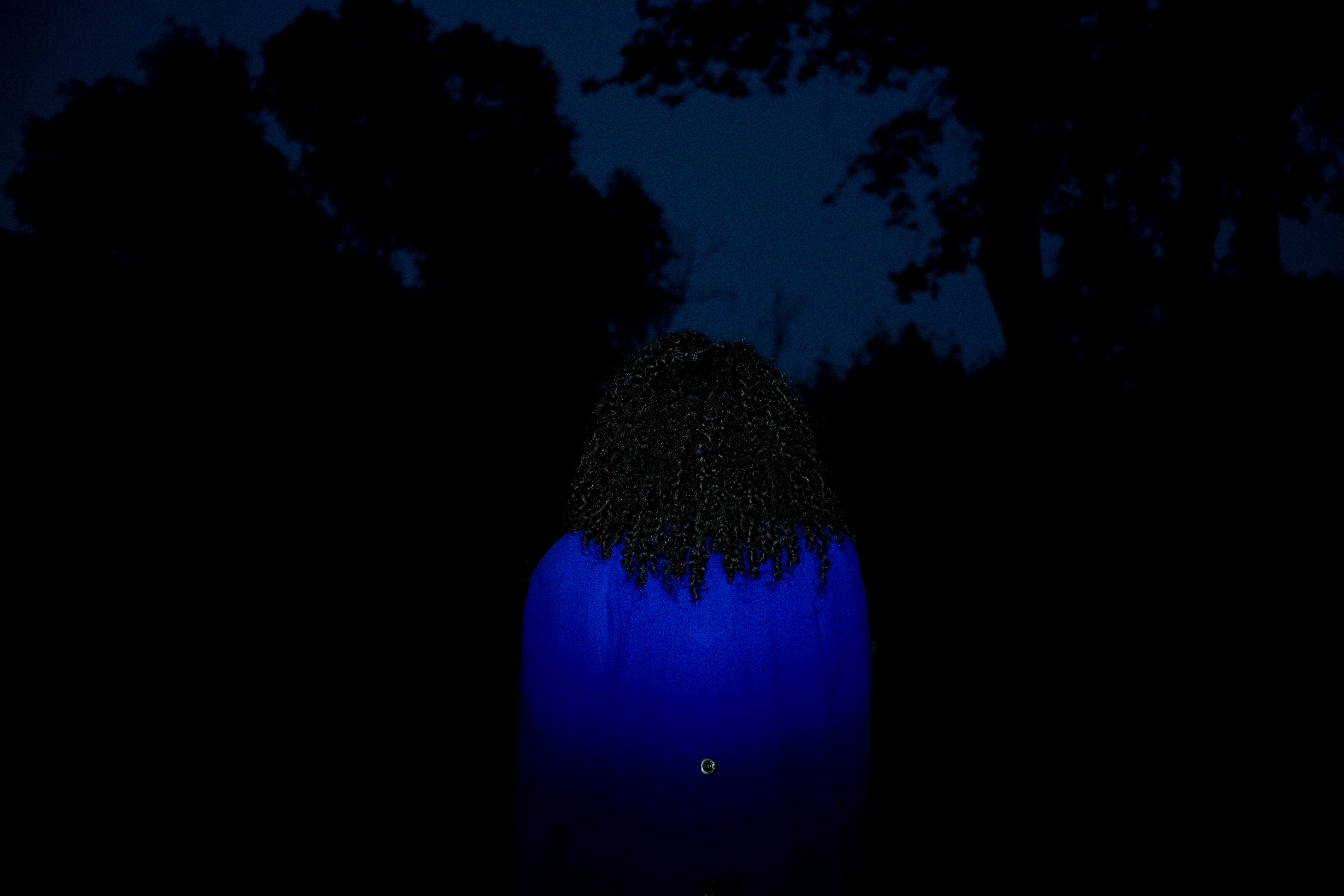
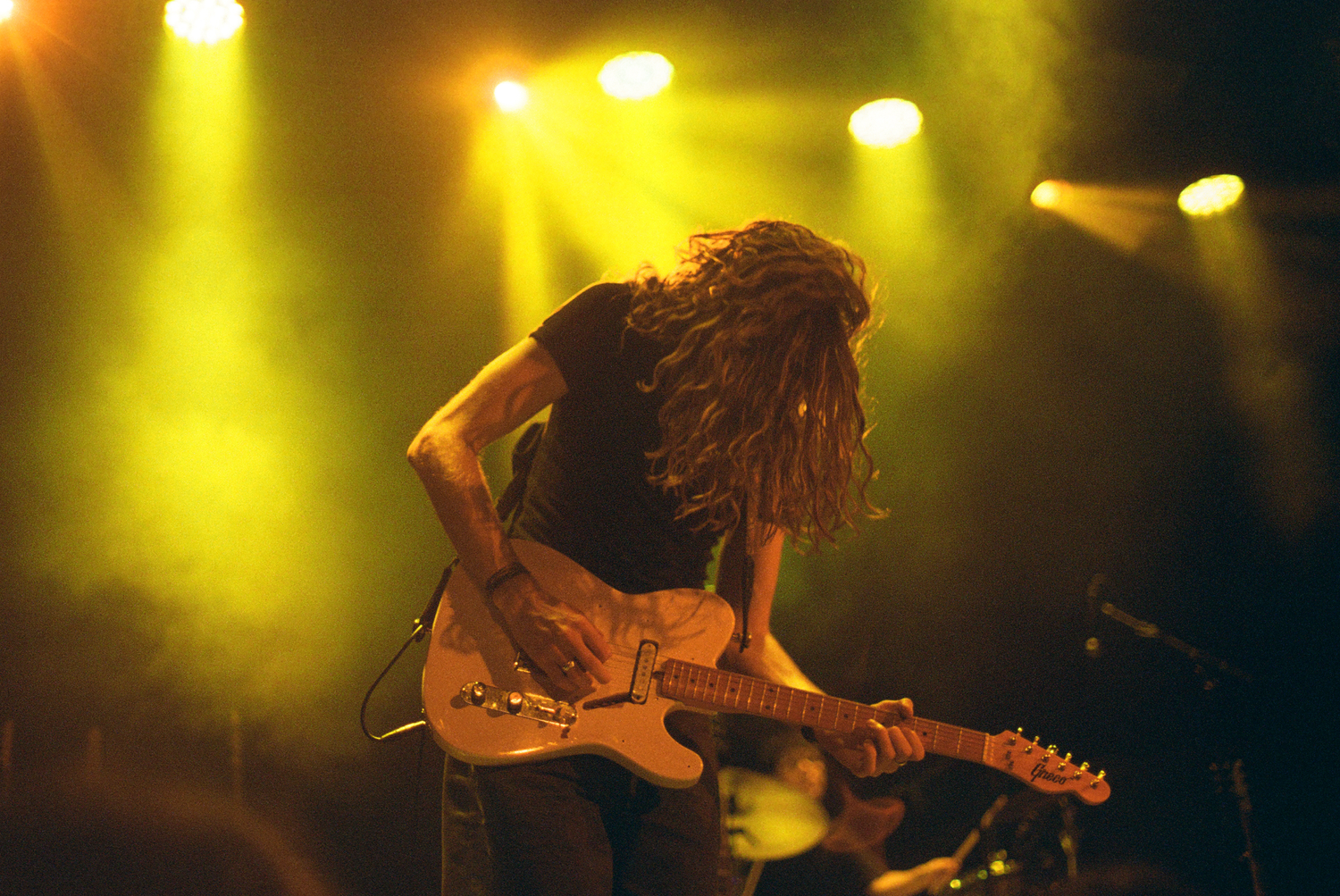
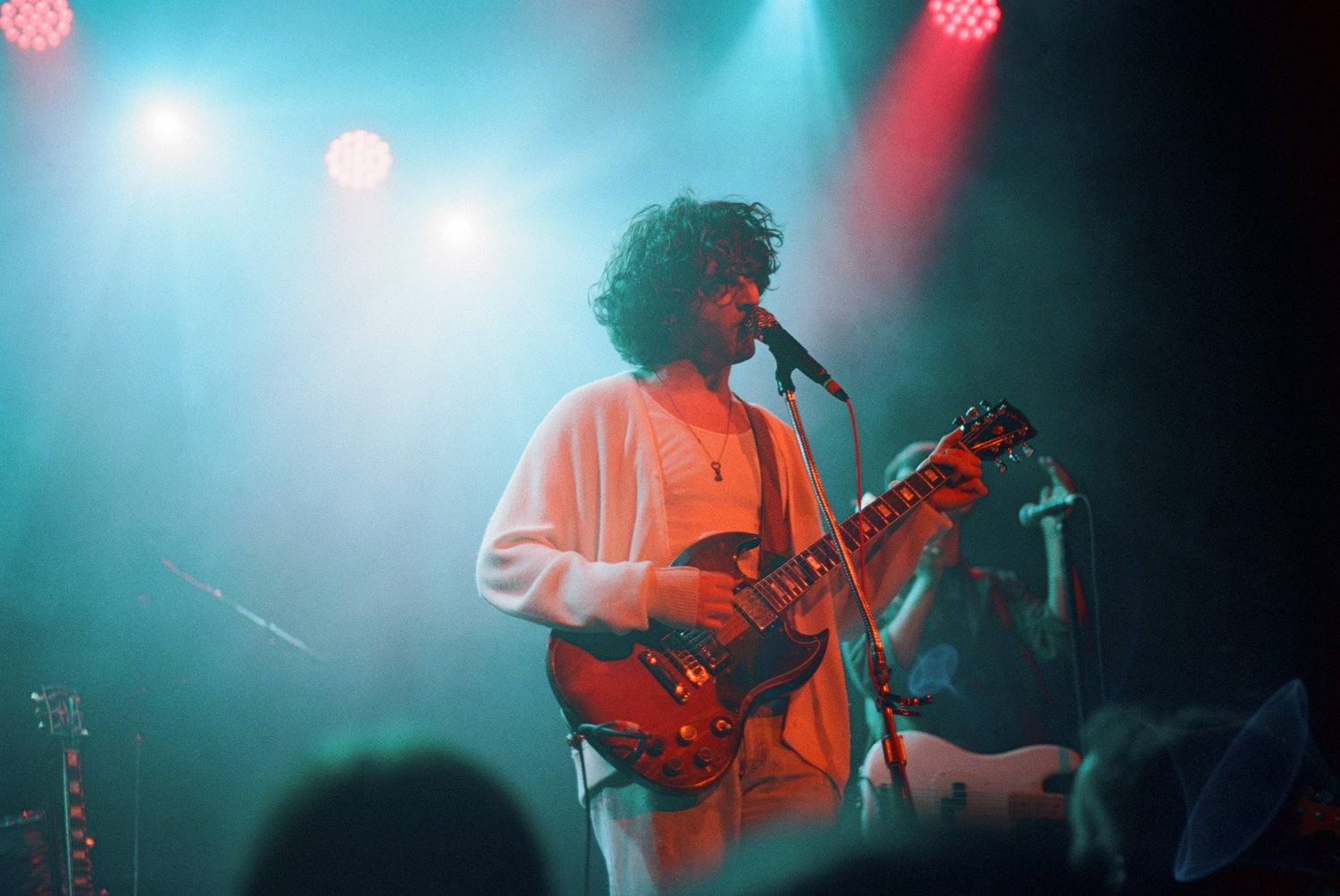
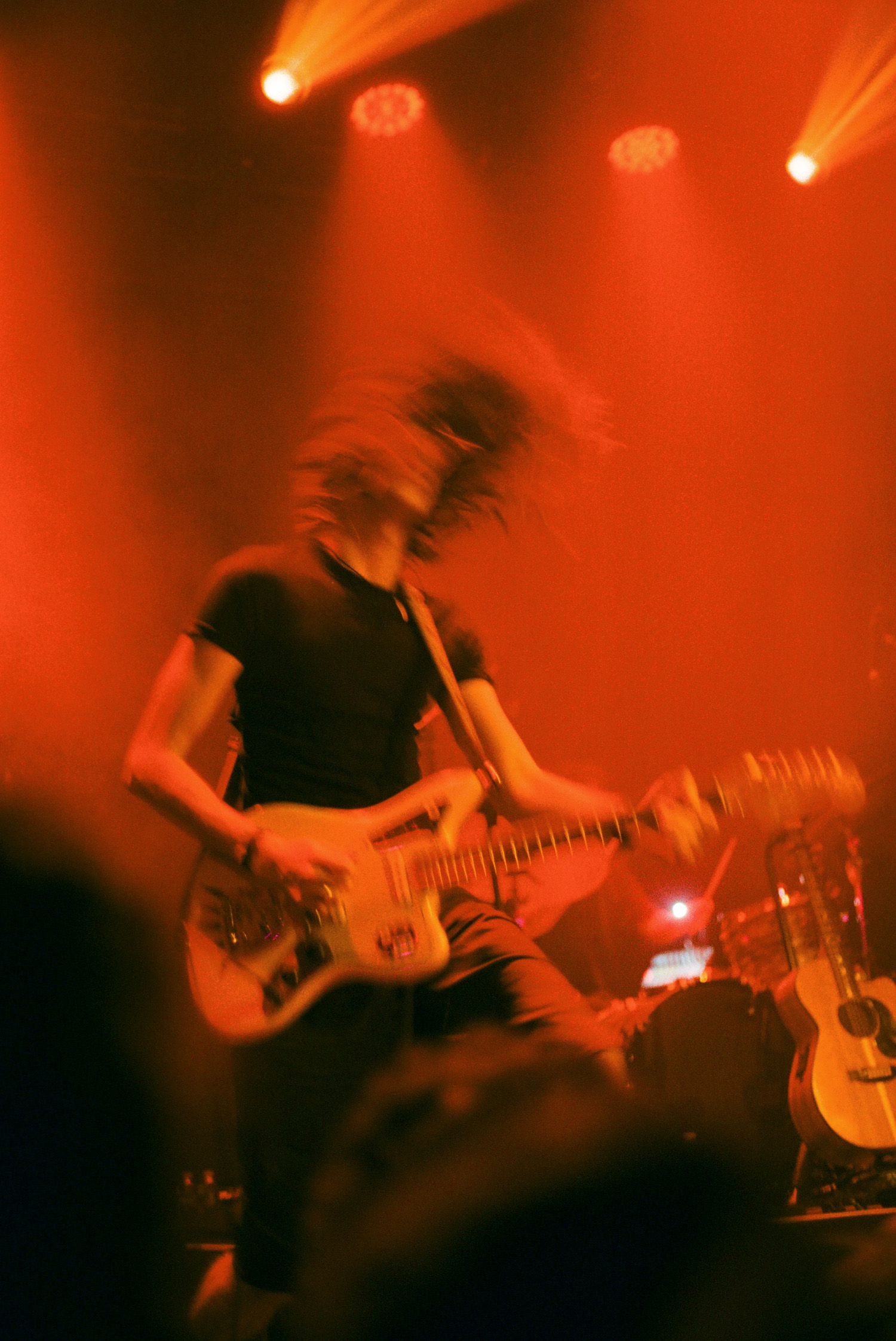
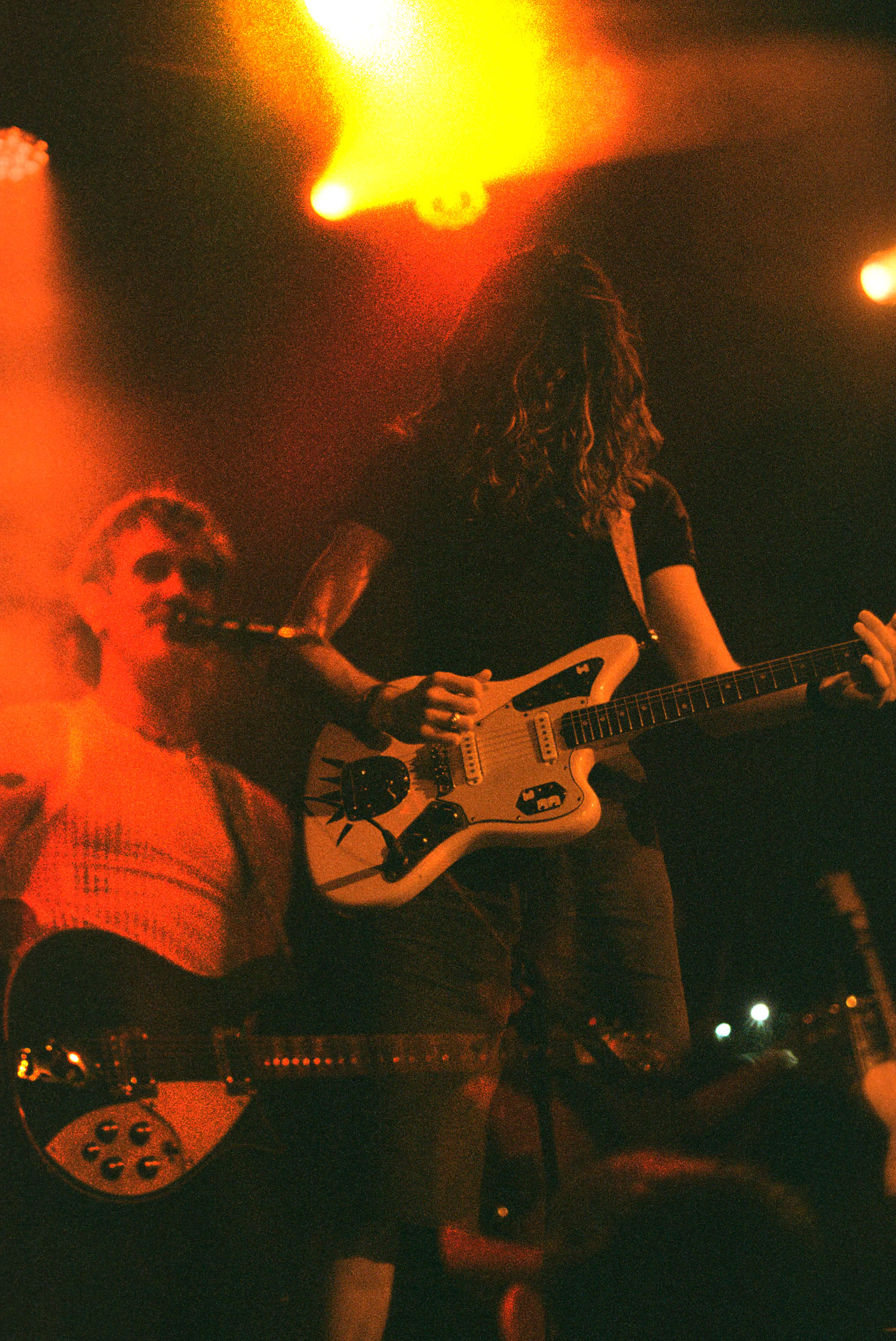
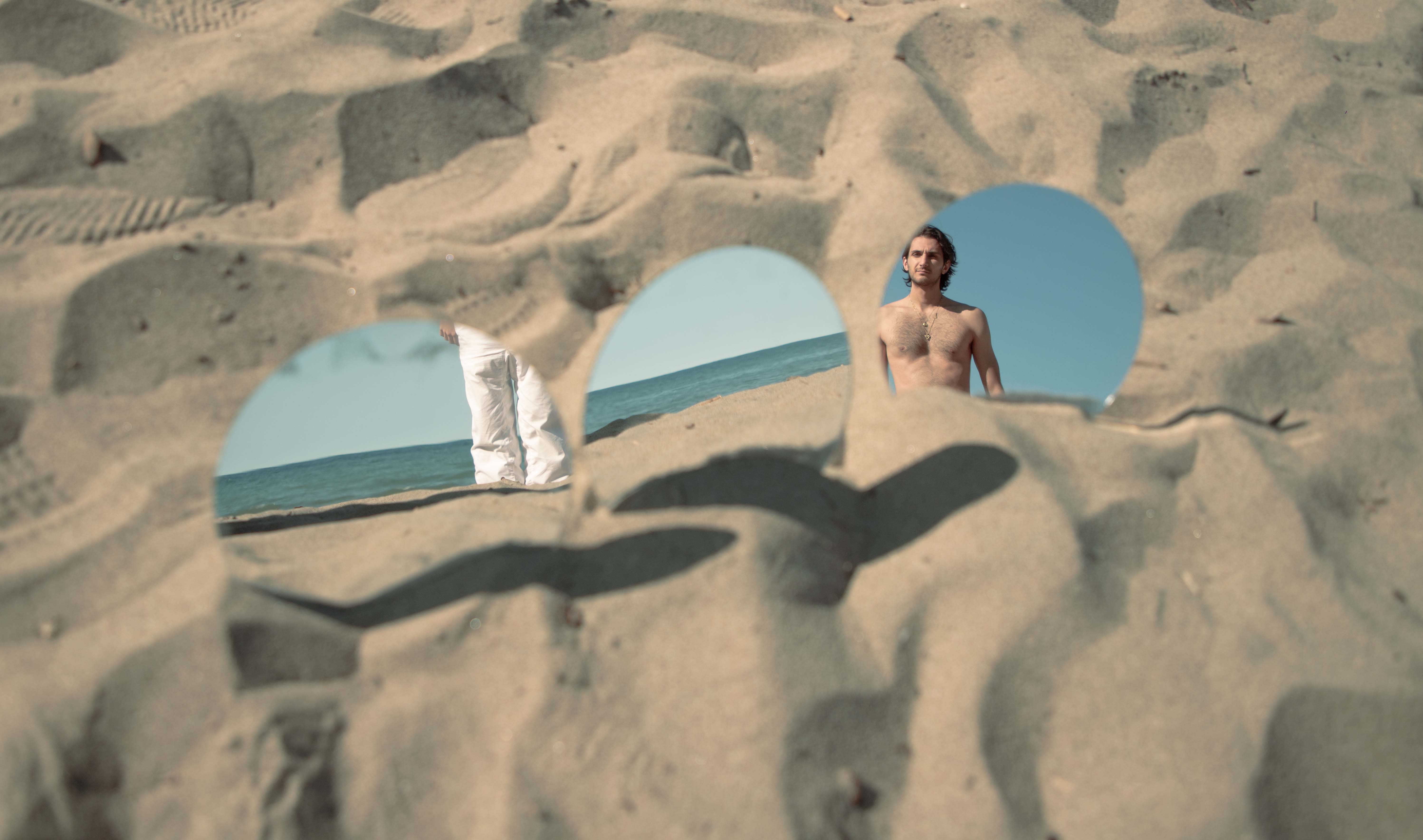
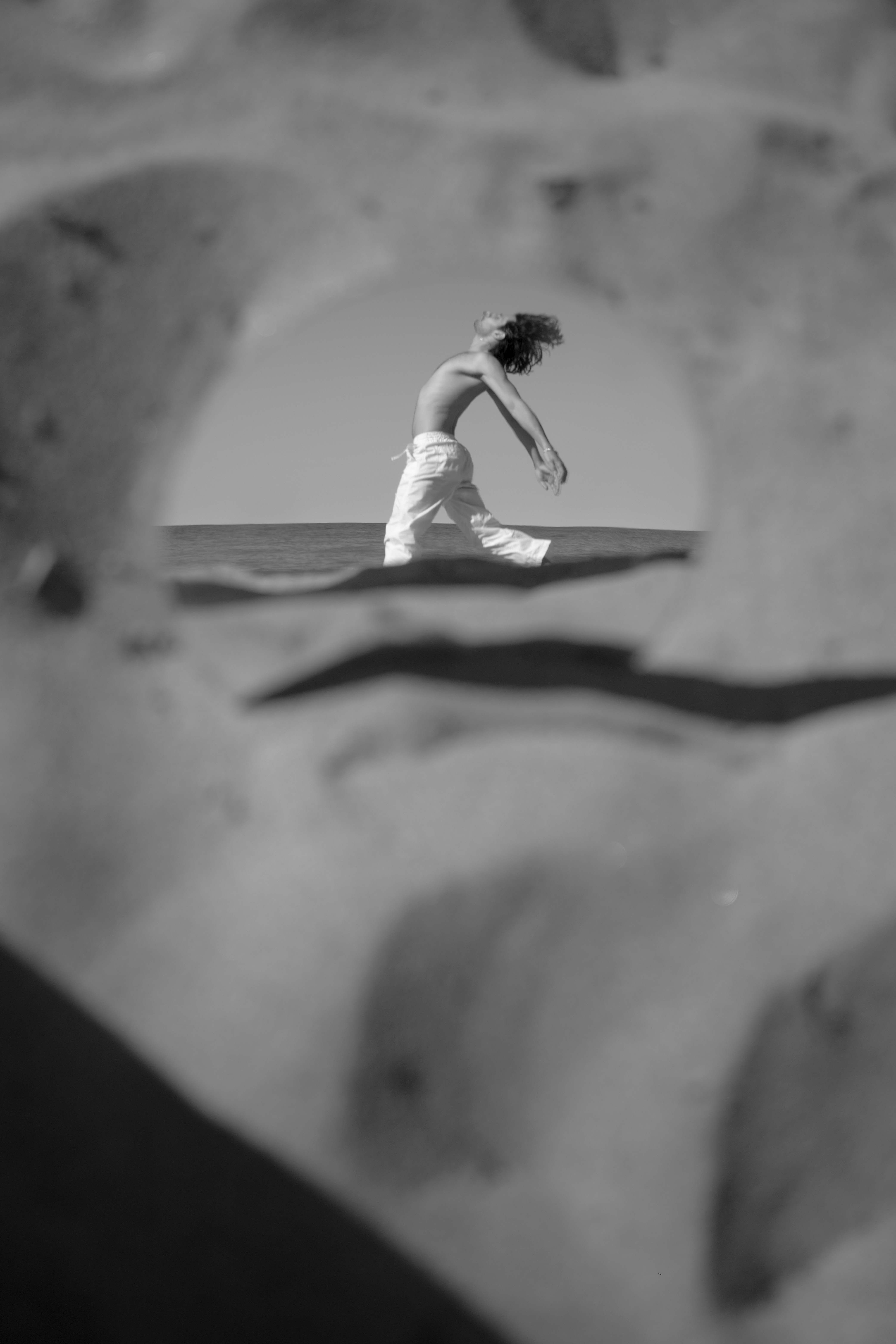
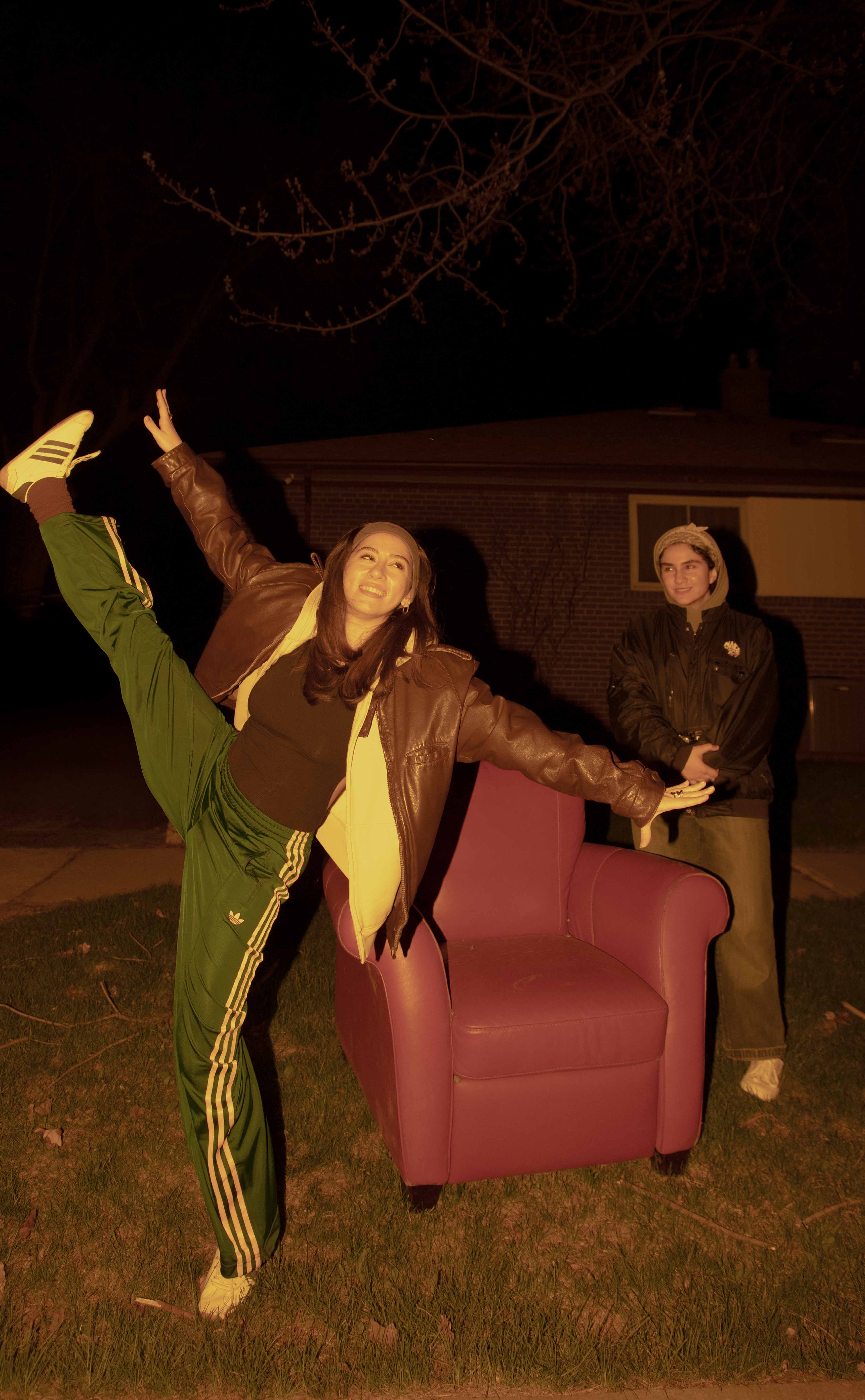
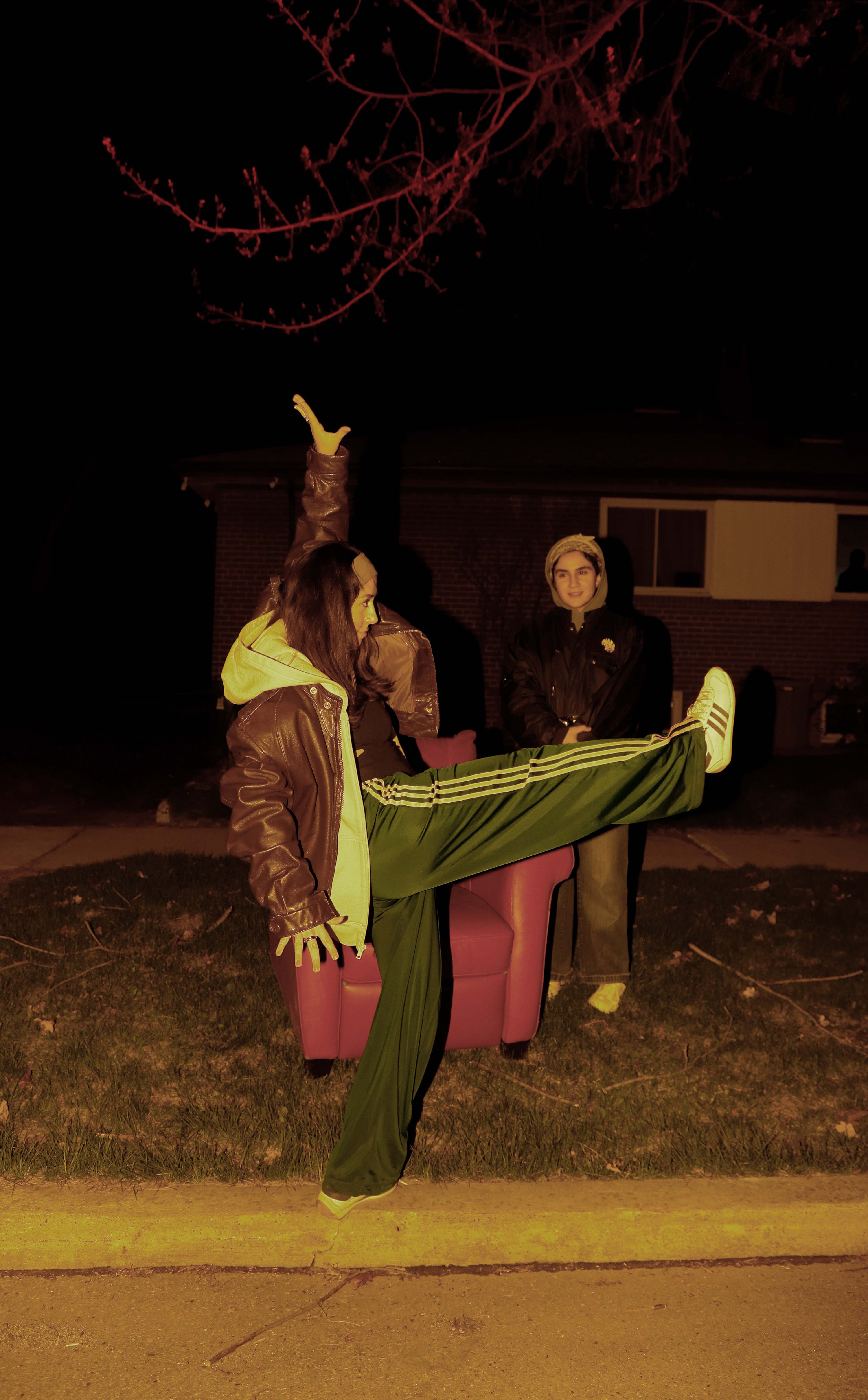
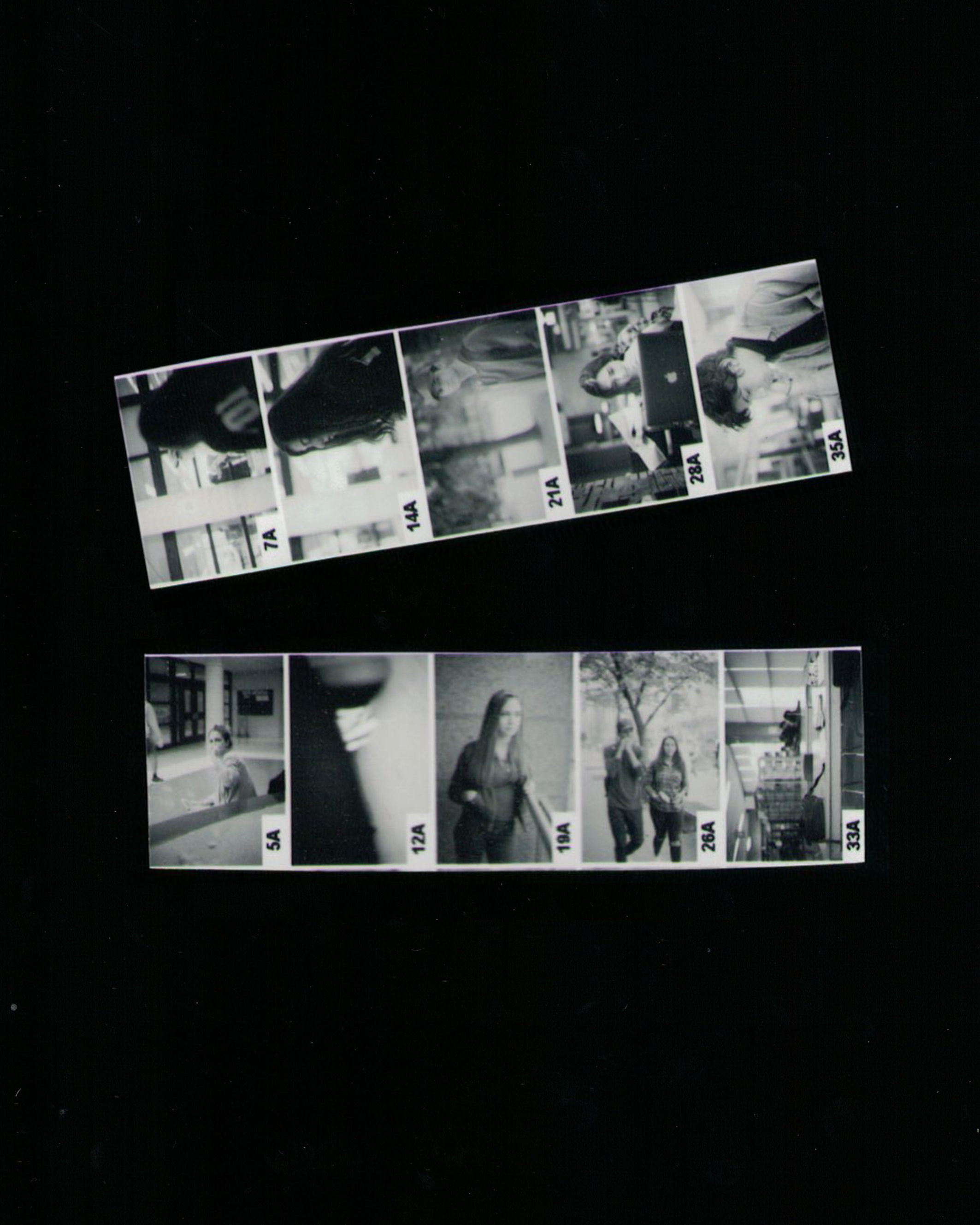
Photography started as a personal experiment. An extension of drawing, painting, and observation. It has become a tool for research, texture, and spatial intuition, forming an ongoing visual archive.
DATE: 2022—2025






Mind in Matter
Jules David Prown
Prown, J. D. (1982). Mind in matter: An introduction to material culture theory and method. Winterthur Portfolio, 17(1), 1–19. https://doi.org/10.1086/496065Scribd+2
Deduction: Interpretation of the artifact's sensory and emotional impact, considering how it might have been perceived by its original users.
Description: An objective, detailed account of the artifact's physical characteristics, including materials, dimensions, and construction techniques.
Speculation: Formulation of hypotheses about the artifact's cultural significance, exploring what it reveals about the society's values and beliefs.

Progress often feels stagnant, stalled by the assumption that you need to define a purpose or articulate an intention. But what if, this time, you begin differently? Choose a simple object, observe its visual properties. Where does it sit within your aesthetic? What does it evoke or resist?
PLAY
Mind in Matter
Jules David Prown
Prown, J. D. (1982). Mind in matter: An introduction to material culture theory and method. Winterthur Portfolio, 17(1), 1–19. https://doi.org/10.1086/496065Scribd+2
Deduction: Interpretation of the artifact's sensory and emotional impact, considering how it might have been perceived by its original users.
Description: An objective, detailed account of the artifact's physical characteristics, including materials, dimensions, and construction techniques.
Speculation: Formulation of hypotheses about the artifact's cultural significance, exploring what it reveals about the society's values and beliefs.
Scroll to view more.
LEGEND:
■ Thesis
■ Not directly related to Thesis/Observations
■ Glossary
* * * * * * * *
Sonic materialism - auditory imaginationString theory Meta physiques of soundThe speed of soundMusic as processed by emotions through visuals Ostensibility of sound Sound and time
Alzheimer’s patients soundPeople react to sound
Why does sound become music
Temptation of music Science of sound
Aerial imaging taken to where? How far can we push this scenario? What is the purpose of texture? What am I willing to spend a year on? How shallow can something really be? The simpler ideas can be messed around with more.
“As we look back at the twentieth century, the concept of the moving image, as it has been employed to express representational and abstract imagery through recorded and virtual technologies, constitutes a powerful discourse maintained across different media.The concept of the moving, temporal image is a key modality through which artists have articulated new strategies and forms of image making; to understand them, we need to fashion historiographic models and theoretical interpretations that locate the moving image as central in our visual culture."- Nam Jun Paik
The Seoul of FluxusThe Cinematic Avant-Garde
https://www.paikstudios.com/
Shuya Abe, Norman Ballard, and Horst Bauman
Robot K-456 (1964)
Fluxus avant-garde movement of the 60s. - - - George Maciunas
https://www.moma.org/collection/works/127873?artist_id=21398&page=1&sov_referrer=artist
.//…/././....././/.…. ...////././.././//.//.//././.…/../…/.///..//.////..
Kinetic sculptures Incised plaster
Questions:
What is it that I’m trying to prove? What is it going to ask? Should it provide an answer rather than an exploration of a possibility? Should it be a tool to further expand? Does it have to be a concept? A finished concept? What if I don’t have the tools to expand this concept. What is the budget? How is sound relevant to what my story is? Does it have to be as complicated as I think it should? Am I over-thinking this situation again?
…. /// .// /./. ./ /. .. /// ../ /. ./.. .//. ./. /// …/ .. /.. . ./ /. ./ /. … . ./. ?
.// …. ./ / .. … / …. . ./// /// ../ ./. /. . /.// ?
.////..///…//…./…../….//…///..////./////
Can this installation be a farewell to a very difficult and long chapter?
I have chosen sound as it constitutes one of the most significant sensory triggers for me in this context. It becomes very specific, but I have very distinct categories that I could make for each frequency and volume of man-made noise. Instruments enter this hemisphere and merge into the natural productions.
EAR CASTING:
Casting the ears that are interviewed using plaster. The physical recipient of the immaterial and unrecorded evidence. The entry to the epistemic understanding of this project. How can it become the symbolism for something in the past. A portal to the past. Our neurological recollections and the present nothings existence at the same time, the only remanent of this event (happening) is the materialism and documentation of the body part that has received them. It is an apology to ourselves.
The un-design manifesto: NOT TO BE MISTAKEN WITH ANTI-DESIGN.
Strained of colours and over-enthusiasm of colour. The user interface and dumbed down sugar-coating of work. The easy-access and lack of proper search, feeding into the fast consumption of information. This project is aimed at the easy-user. By straining one of the colours and quotes of technology we present the foundations and virtual truths of the facade they’ve been dealing with. This is not meant to be a reenactment of minimalism or an intensive stride towards universalism, however, it is an outreach to wipe away the western charisma of design off-of information. For purely communicative intentions. The hierarchies are meant to be kept, but no longer are we concerned with the palettes and colour codes, the labels and tyranny of corporate conducts of what a good visual is. It might appear as boring, but it is also a meditative practice to no end. The more we tether to these devices, the less vivid everything else seems, perhaps one of the intentions of this practice is to bring about the monochromatic process of indulging in necessary “pleasures”.
The first experiment is to tun digital into complete grayscale and document the differences. Note the accessibility and the differences it makes in ones life. Provide a somewhat thorough answer to the necessities of colour in design.
Does it become boring? Does it depend on the task that you are trying to ensue? Does it derive focus away form the unnecessary accentuations and ornamentations of the digital media?
At first glance on YouTube: a fear of missing out when observing the thumbnails of the videos.
This feeling slowly faded away as I found myself more indulged in observing the information being handed to me through vocal and oral communication.
However, this feeling might also be in biases to my own studies of the topic.
The second task would be to expose myself to the monochrome for an extended period of time and report on that issue in regard to different software and use.
I’m not sure if it is my current operating system or other phenomena, but something feels almost strained and tense. There is a feeling that my vision is lacking variety and it can become tiresome for longer periods of media consumption.
Kind of suffocating in a way.
Sound artists:
Harry Bertoia - “Sonambients” sound sculptures.
Survival = design
What are we NOT ALLOWED TO DO for our thesis? What are the limitations? Can I make a list?
Can it just be a year of catching up with life?
Can they thematically not be related to each other?
Schedule your work shop research days.
CASTING:
https://christienmeindertsma.com/The-Earthshot-Prize
So maybe creating a narrative through plaster. So instead of creating molds of the ears I create indentations of the ears. Or a body part being pushed down onto “earth” or the “moon”. They reached the moon and touched down, so now what? They’ve conquered the surface of where they need belonged. What comes next for them?
Children fleeting earth.
What if the moon actually belong to this who have been wronged. If you suffer enough you get to leave and create your own civilization.
If you have been bullied and bashed enough you get a free ticket and training to flee and create an oasis there. Drama bond with the other kids/adults and better each other?
What will come of that? Will it turn into an asylum away from earth? Assuming that it was their own decision to go there, what will it look like? Will it be lord of the flies but with no gravity?
What are the things that have hurt them and will they just float into non-existence?
1: Dialogue between two victims - in red.
Dialogue in red to mark the existence of the script within this chaos.
A new form of civilization but it has nothing to do with humanism. It is merely and purely focused on growing nature. A natural society. Could they ever be one with nature and respond to the spirits? A planet that is only metaphysical. The imprints of their adventures in the moon. A narrative told solely based on plaster prints and physical imprints. How many types of molds can be done? How big must they be? Can the drafts be just ink prints of hands? Hand prints of paint? Remnants is the story? The nothingness. What is the purpose of this text?
Stripping all the design from urban areas, and replacing them with International Klein blue to illustrate the nothingness and unnecessary of branding in certain areas.
Not that design or informational graphics are unnecessary but rather, attempting to regain simplicity and UNDESIGN within such a visually polluted space.
Dealing down everything to primitive symbolism and non-language aspect of society. Creating a homophonic visual noise.
▩ ◧ ▣ ▥ ◩ ◱ ◰ ◲ ◳
Stripping all the design from urban areas, and replacing them with International Klein blue to illustrate the nothingness and unnecessary of branding in certain areas.
Not that design or informational graphics are unnecessary but rather, attempting to regain simplicity and UNDESIGN within such a visually polluted space.
Dealing down everything to primitive symbolism and non-language aspect of society. Creating a homophonic visual noise.
Speculative Design … .//. . /./. ../ ./.. ./ / .. …/ .. . /.. . … .. //. /.
Fiction Design - Design Fiction ../. .. /./. / .. /// /. /.. . … .. //. /.
A gun scope - sniperscope zooming on objects and particles floating in space.
Vernacular of typography
WRITE DOWN YOUR IDEAS USING THE ACTIVE VOICEDo not be afraid to be more aggressive with it.
Objects of ephemera again? Repurposing our memories. Why do we record and collect memories. Why does our past and reliving it matter so much? What is the purpose of home videos? Why can’t I stop thinking about a mechanical KEYBOOARRDDDD!!!!!
TH ERE IS NO
The relationship between time, space, and the human body. Our marks on time and furniture. The tracks of existing. What makes an interior space worth living?
Self-driven and intact.
The concept of the body in relation to the space that it orientsThe construct of time and space. What exists in between?
The theory of social constructs:
- Theory in Social and cultural anthropology: An Encyclopedia BOOK
- gender and sex constructs - time and space constructs - social constructs in design - design as a reflection and facade of constructs
https://openresearch.ocadu.ca/id/eprint/131/1/Martin%20Ryan_MRP_Non-Creative%20Identity_Final%20OCAD.pdf
https://ebookcentral.proquest.com/lib/oculocad-ebooks/detail.action?docID=1024104&pq-origsite=primo
https://ebookcentral.proquest.com/lib/oculocad-ebooks/detail.action?pq-origsite=primo&docID=198382
https://ebookcentral.proquest.com/lib/oculocad-ebooks/detail.action?pq-origsite=primo&docID=1099907
ABSTRACT BODY PLASTERS
SYNONYMS: a platforms that generates related words through a map system. - this website helps refine new-get vocabulary and expand the definitions of everyday conversation.
Through interactive elements and design, this tool becomes easily utilized. The map system resembles the of a galaxy and universal constructs of space.
In addition, the words can be categorized through phrases and other verbatim.
Design a new system for thought.
As it develops, there will be content and intricately illustrated media to expand the project. - videos, 3D systems, charts.
Uncanny space, the notion of eerie or perhaps the non-verbal discomfort of existence in within a space. The impact of that quality on our perception of being. What qualities subsidize feelings within a space. What is the feeling that permeates through our environment hence, generating a new path for anthropocosmic relations. They initiate a psychological connection for us and allow for a new layer of phenomenologies to partake.
The Cultural Perception of Space: Expanding the Legacy of Edward T. Hall
CASSETTE TAPES - The smile opening act sampling of cassettes.
GLOSSARY:
- anthropocosmic
- codex
- uncanny
- phenomenology and psychoanalysis of space
- water towers
- interior
- Skepticism
- scope
- strategically staged
- Topoanalysis
- performative space (not performance)
- intercultural communication (and the relative perception of space)
- reference-frames (Spatial Orientation)
- Intrinsic reference frame (having 2 ref points)
- relative reference frame (having 3 or more ref points)
- Proxemics
- interpersonal space- PERCEPTIONS: sensory, cognitive, emotional, moral + cosmological, geographical, environmental, communal, residential, personal
- post-mortem realm
- environmental determinism
- Gemeinschaft
- Gesellschaft
- territoriality
- Nacirema
- American backwards
- multilocal
- multivocal
- polysemic
- “First Space” is the physical built environment, which can be mapped, quantifiably measured and 'seen' in the real world. It is the product of planning laws, political decisions and urban change over time. “Second Space” is conceptual space
- how that space is conceived in the minds of the people who inhabit it. by Edward W. Soja
- ”Third Space” reality; space can either be physical or an abstract space implying a context within which individuals unique yet hybridized identities by Homi K. Bhabha
- future languages; German, Chinese, Japanese, Dutch, Scandinavian. futureless languages; English, French, Italian, Spanish, and Greek. In certain languages you do not build time into the grammar. Ex. Will, did…
- The different perception of time in regard to language. Greek people view time as a three-dimensional entity( Time imagined as a “Container” ). The Aymara make “backwards gestures” when they talk about the future. (Mandarin speakers also imagine the future behind them; in addition. In language they refer to the concept of future with verbs such as “Down”)
- the orientation of written language influences how we perceive time, the linearity of it.
- Keith Chen
- “Futureless languages were more likely to engage in future-focused activities. Less likely to smoke, more likely to be physically active, and less likely to be obese.
- effects of language on how we orient ourselves in space. For instance our use of reference-frames - cardinal directions in everyday speech,
- focus on action in sight vs focus on holistic actions
- ubiquitous tendency of people to see themselves and their place of residence as the centre of the world, their knowledge of and interest in other regions diminishing rapidly with distance
- Similar to Gaston Bachelard’s description of the “Home”. Parallel with the psychoanalysis of a space through intimacy and perception
- the meaning of going back “Home” in Japanese culture
- the value of exterior privacy vs the interior
- Values that influence our perception of our places of residence: security, privacy status, aesthetics.
- “The western value of individualism hampers intercultural understanding, encouraging ethnocentric attitudes and a reluctance to consider alternative perceptions” Julian Baggins
The shape of design:
The improvisational process of creating and thinking. Comparison to Jazz and picking and choosing notes, pairing the homonymous elements to achieve a nuanced melody. I found that section particularly appealing because I find that a lot of what I do (obviously in my music) in the process of creating anything, even the hefty sum that required a lot of pre-planned process, I tend to wing it. I never like to be (or perhaps have the patience to be) to precise with anything. I like a good amount of preset rules and some fundamentals or a ruled canvas to begin with, but I’m not sure if I’m a fan of strict gridded guidelines and static targets to hit. I used to be very frustrated with my lack of ability to execute the exact product that I had in mind. The final result that I had pre-determined my materials to be. But I think I had been neglecting the beauty of the process, the beauty of learning and imperfections being equally illustrated in the physical product. This process of acceptance comes with a lot of exercise and a hefty amount of confidence in your skills. but, not being thoroughly disappointed with a creation and learning to accept the idea that its newness and somewhat alien look, the unfamiliarity between the projection of my brain and the physical reality is in fact one of the strong points.
In addition, I thought that the passage about Robert Irwin was a very nice coincidence. I learned that his process involves studying a space before designating a creation for it to display. curating the product in accordance with the energy and spirituality of the space seems like a very prominent basis for a lot of projects. This is a principle that a lot of us apply in everyday life. A basic fact of living, yet it has been applied in an unexpected practice. It is being utilized as where you would anticipate a ready product rather than a customized, ephemeral achievement.
Exceeding people’s expectations. Personalization of the results.
Pleasure and delight are functional.
Cassette tapes:
Cover design and picketing experience, Gen x consumerism Space of nostalgia, Design triggering a landscapePainting sonar landscape using design
LADIES AND GENTLEMEN WE ARE FLOATING IN SPACE.
Adding value to people’s lives with this thesis.
“Engaged with and experienced both as a physical and ambient dimension, as distance, location, or topography, space is recognized as an important cultural medium, an idiom through which individuals can think and that can be culturally organized to produce spatial practices that are social, aesthetic, political, religious or economic. “
“Place is multilocal and multivocal: multilocal in the sense that it “shapes andexpresses polysemic meanings of place in different users” (Rodman 1992, 647)”
Decoding the human perception of space - decoding and systemizing the human relationship with space.
Classifications:
- First Space: physical environment. Interactive - Second space: Conceptual space/ perceived space
“First Space” is the physical built environment, which can be mapped, quantifiably measured and 'seen' in the real world. It is the product of planning laws, political decisions and urban change over time. “Second Space” is conceptual space- how that space is conceived in the minds of the people who inhabit it. by Edward W. Soja
Or in more broad detail (classifications):
- sensory; - cognitive (ex. language, philosophy, Psychology, Artificial) - moral (emotional); ethics and politics- cosmological, - geographical + environmental; - post-mortem;
- communal; - residential; - personal;
—--
Gravitation towards psychogeorgaphy as a coping mechanism with my habitat. Rather than sociological impacts of the topic and derivation from the “spectacle” to aim for purposeless paradigm’s, the derivé is perhaps an escapism of thought and physicality for the inner child.
Psychogeography is not restricted by form and regulations; The gravitation towards this is due to the oversaturated formalities of design. It is not just anti-grid, it is more likely another form of escapism from the defining confines of design.
There is no form or composition to what I’m about to make in the following weeks.
They are just piles of thought and visual information, such together by pure concept and nothing else.
I will naturally feel compelled to organize them, and will subconsciously put in my practices of composition, but I shall be aware of my attempts to breakaway from those confines.
The Flâneur
- Psychogeography revolves around the flâneur; typically a male figure recognized in 19th century Paris. The flâneur is defined as being a passive and detached observer wanderer of the streets, a term coined by Charles Baudelaire (Richardson, 2015). The flâneur has been a figure of interest for many years, although it has been acknowledged the flâneur is rarely seen as female. Wilson (2001) describes the flâneur to be a man of pleasure, and to feminists the embodiment of the ‘male gaze’ representing mastery over women. The flâneur’s freedom to walk carelessly through the city is a privilege limited to masculine freedom and, therefore, the flâneur is inescapably gendered (Wilson, 2001). However, Elkin (2016) refers to the female perspective, acknowledging women as the Flâneuse, going on to criticize the 19th century for discounting women.
CAMERA LIST:
1. CANON 6D MARK II
2. CANON AE-1
3. LUBITEL 2
4. IPHONE 13 PRO MAX
KODAK PORTRA 800: 35 MM
ILFORD HP5 PLUS ISO 400: 35 MM
KODAK ULTRAMAX 400: 35 MM
KODAK GOLD 120 MM
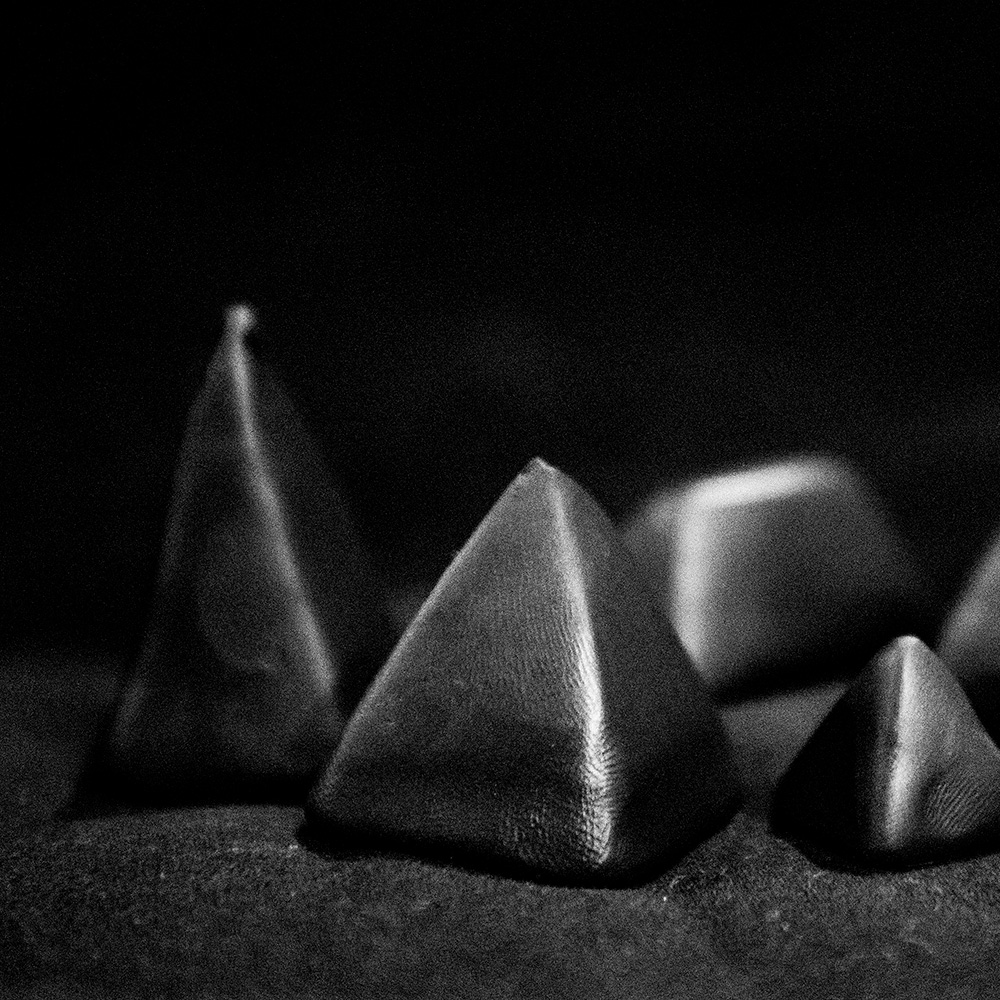
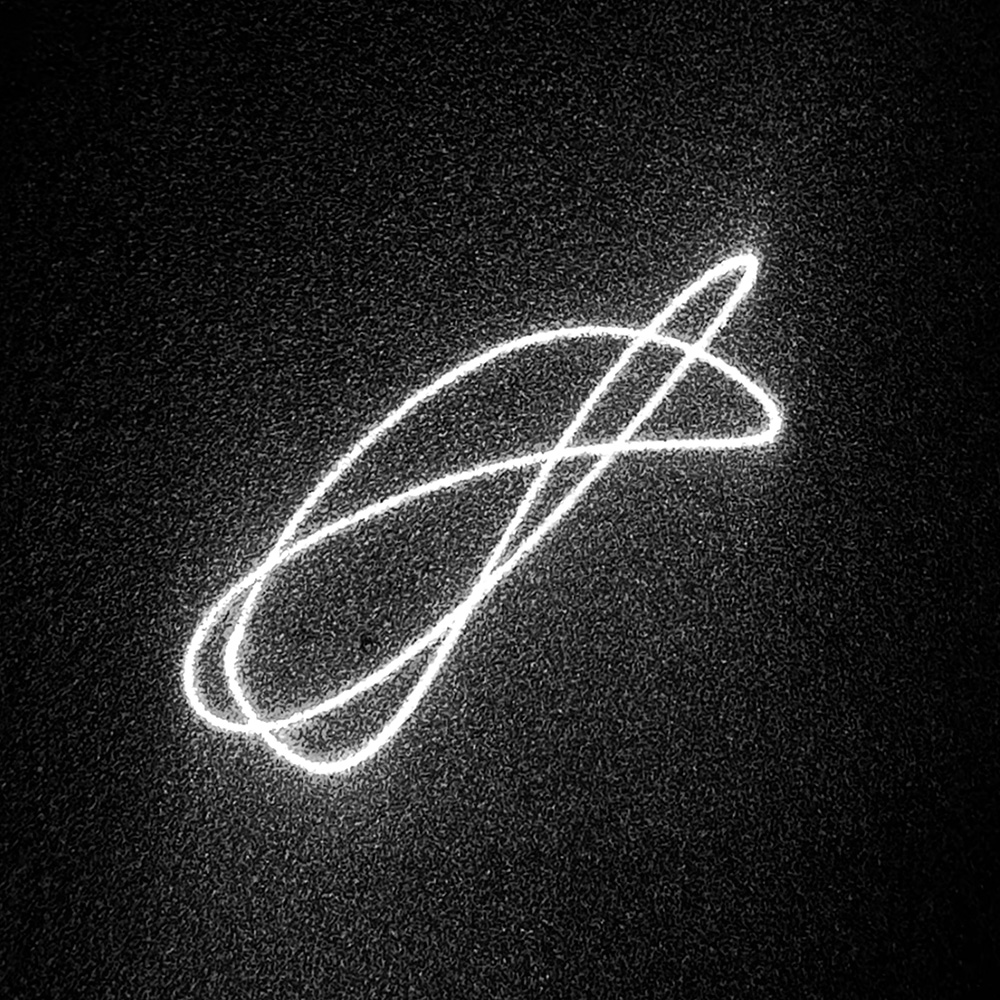
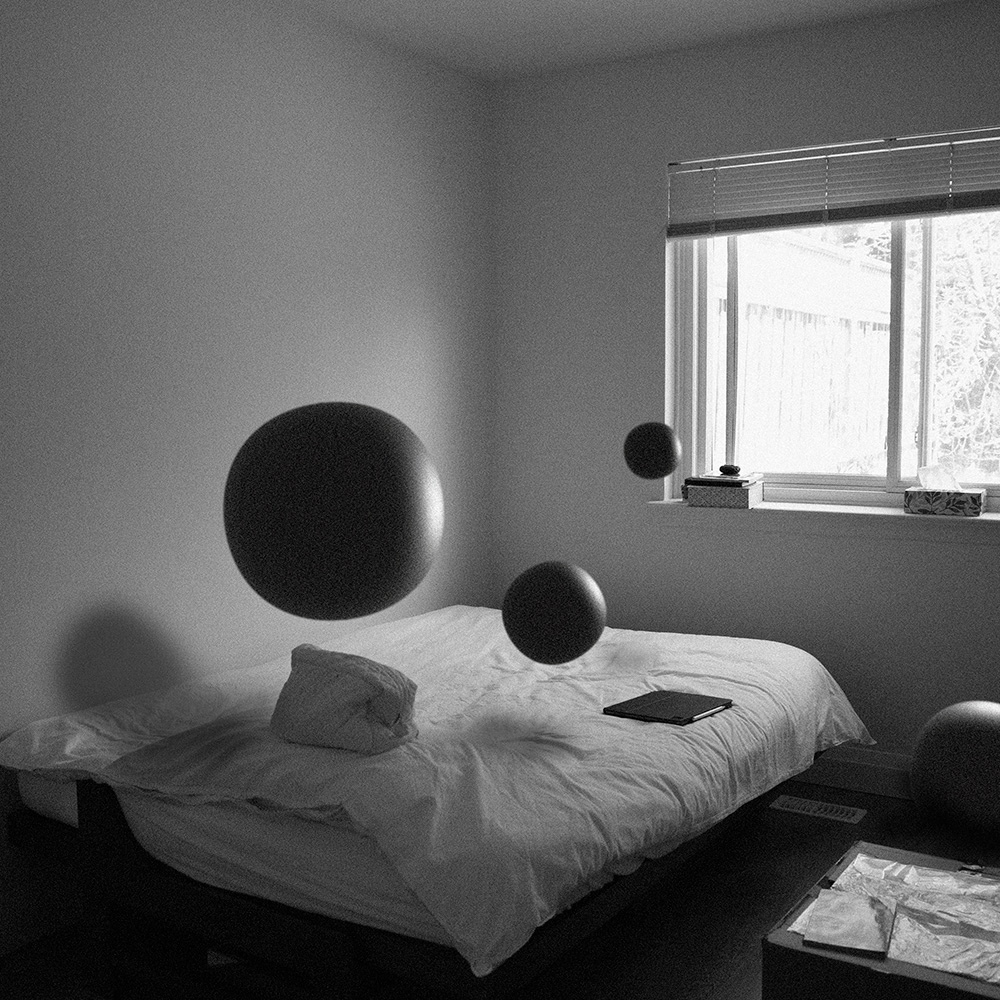
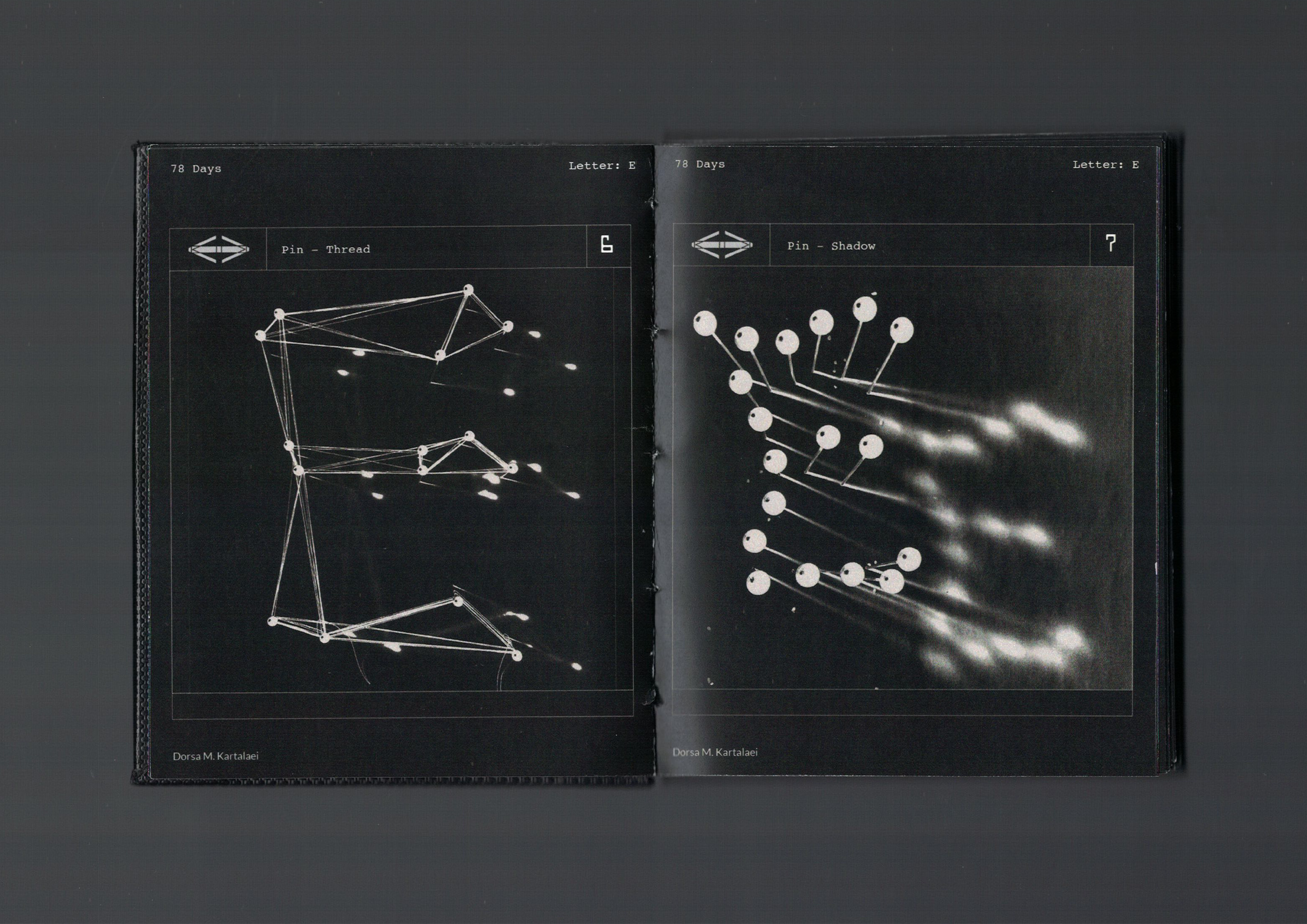
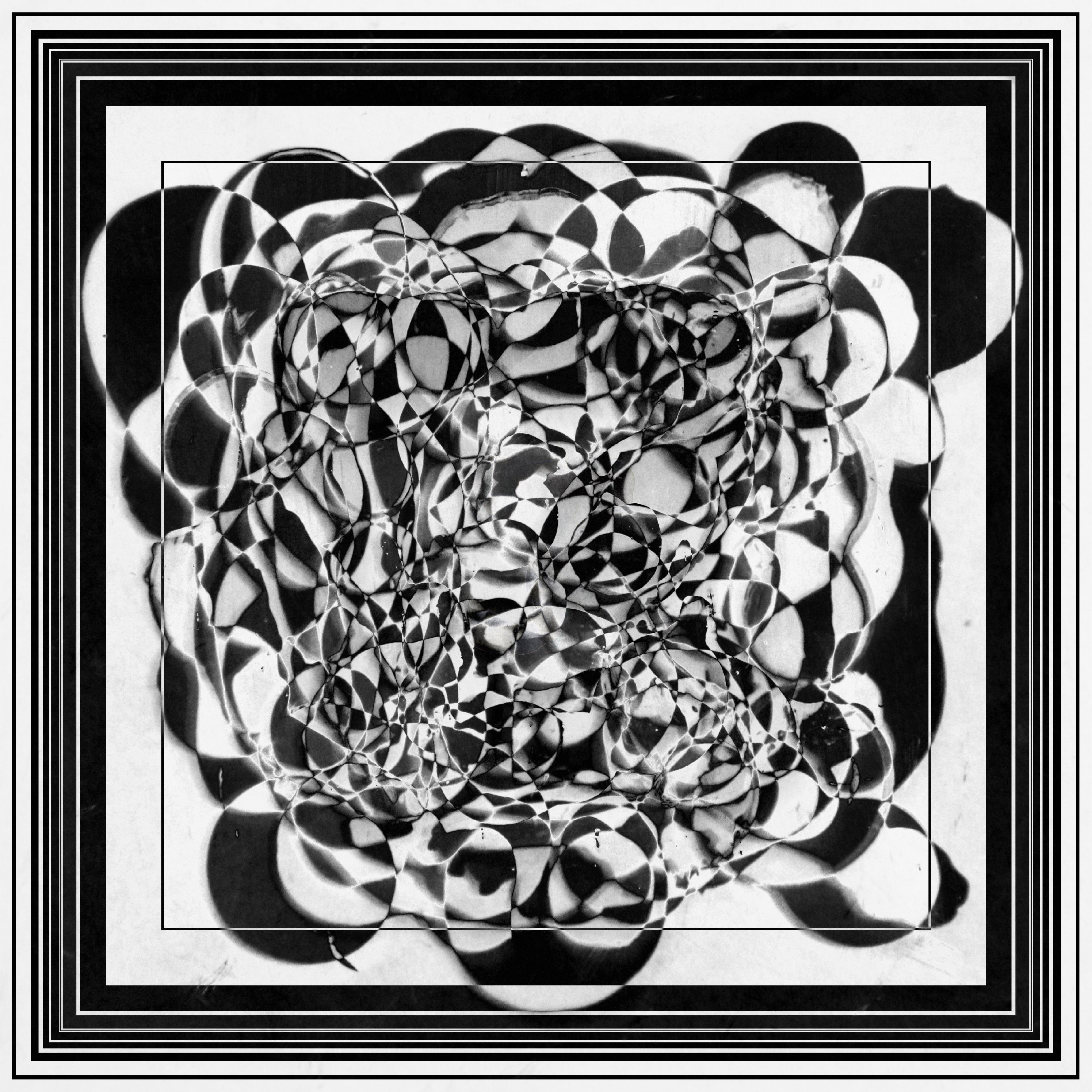
Photography started as a personal experiment. An extension of drawing, painting, and observation. It has become a tool for research, texture, and spatial intuition, forming an ongoing visual archive.
DATE: 2022—2025



DORSA
KARTALAEI
SOFTWARE:
ADOBE CREATIVE SUITE
LOGIC PRO X
MAYA 3D
BLENDER
FIGMA
TBD
TORONTO BASED GRAPHIC DESIGNER—
TORONTO BASED GRAPHIC DESIGNER—
Deduction: Interpretation of the artifact's sensory and emotional impact, considering how it might have been perceived by its original users.
Speculation: Formulation of hypotheses about the artifact's cultural significance, exploring what it reveals about the society's values and beliefs.
Mind in Matter
Jules David Prown
Prown, J. D. (1982). Mind in matter: An introduction to material culture theory and method. Winterthur Portfolio, 17(1), 1–19. https://doi.org/10.1086/496065Scribd+2
LEGEND:
■ Thesis
■ Not directly related to Thesis/Observations
■ Glossary
* * * * * * * *
Sonic materialism - auditory imaginationString theory Meta physiques of soundThe speed of soundMusic as processed by emotions through visuals Ostensibility of sound Sound and time
Alzheimer’s patients soundPeople react to sound
Why does sound become music
Temptation of music Science of sound
Aerial imaging taken to where? How far can we push this scenario? What is the purpose of texture? What am I willing to spend a year on? How shallow can something really be? The simpler ideas can be messed around with more.
“As we look back at the twentieth century, the concept of the moving image, as it has been employed to express representational and abstract imagery through recorded and virtual technologies, constitutes a powerful discourse maintained across different media.The concept of the moving, temporal image is a key modality through which artists have articulated new strategies and forms of image making; to understand them, we need to fashion historiographic models and theoretical interpretations that locate the moving image as central in our visual culture."- Nam Jun Paik
The Seoul of FluxusThe Cinematic Avant-Garde
https://www.paikstudios.com/
Shuya Abe, Norman Ballard, and Horst Bauman
Robot K-456 (1964)
Fluxus avant-garde movement of the 60s. - - - George Maciunas
https://www.moma.org/collection/works/127873?artist_id=21398&page=1&sov_referrer=artist
.//…/././....././/.…. ...////././.././//.//.//././.…/../…/.///..//.////..
Kinetic sculptures Incised plaster
Questions:
What is it that I’m trying to prove? What is it going to ask? Should it provide an answer rather than an exploration of a possibility? Should it be a tool to further expand? Does it have to be a concept? A finished concept? What if I don’t have the tools to expand this concept. What is the budget? How is sound relevant to what my story is? Does it have to be as complicated as I think it should? Am I over-thinking this situation again?
…. /// .// /./. ./ /. .. /// ../ /. ./.. .//. ./. /// …/ .. /.. . ./ /. ./ /. … . ./. ?
.// …. ./ / .. … / …. . ./// /// ../ ./. /. . /.// ?
.////..///…//…./…../….//…///..////./////
Can this installation be a farewell to a very difficult and long chapter?
I have chosen sound as it constitutes one of the most significant sensory triggers for me in this context. It becomes very specific, but I have very distinct categories that I could make for each frequency and volume of man-made noise. Instruments enter this hemisphere and merge into the natural productions.
EAR CASTING:
Casting the ears that are interviewed using plaster. The physical recipient of the immaterial and unrecorded evidence. The entry to the epistemic understanding of this project. How can it become the symbolism for something in the past. A portal to the past. Our neurological recollections and the present nothings existence at the same time, the only remanent of this event (happening) is the materialism and documentation of the body part that has received them. It is an apology to ourselves.
The un-design manifesto: NOT TO BE MISTAKEN WITH ANTI-DESIGN.
Strained of colours and over-enthusiasm of colour. The user interface and dumbed down sugar-coating of work. The easy-access and lack of proper search, feeding into the fast consumption of information. This project is aimed at the easy-user. By straining one of the colours and quotes of technology we present the foundations and virtual truths of the facade they’ve been dealing with. This is not meant to be a reenactment of minimalism or an intensive stride towards universalism, however, it is an outreach to wipe away the western charisma of design off-of information. For purely communicative intentions. The hierarchies are meant to be kept, but no longer are we concerned with the palettes and colour codes, the labels and tyranny of corporate conducts of what a good visual is. It might appear as boring, but it is also a meditative practice to no end. The more we tether to these devices, the less vivid everything else seems, perhaps one of the intentions of this practice is to bring about the monochromatic process of indulging in necessary “pleasures”.
The first experiment is to tun digital into complete grayscale and document the differences. Note the accessibility and the differences it makes in ones life. Provide a somewhat thorough answer to the necessities of colour in design.
Does it become boring? Does it depend on the task that you are trying to ensue? Does it derive focus away form the unnecessary accentuations and ornamentations of the digital media?
At first glance on YouTube: a fear of missing out when observing the thumbnails of the videos.
This feeling slowly faded away as I found myself more indulged in observing the information being handed to me through vocal and oral communication.
However, this feeling might also be in biases to my own studies of the topic.
The second task would be to expose myself to the monochrome for an extended period of time and report on that issue in regard to different software and use.
I’m not sure if it is my current operating system or other phenomena, but something feels almost strained and tense. There is a feeling that my vision is lacking variety and it can become tiresome for longer periods of media consumption.
Kind of suffocating in a way.
Sound artists:
Harry Bertoia - “Sonambients” sound sculptures.
Survival = design
What are we NOT ALLOWED TO DO for our thesis? What are the limitations? Can I make a list?
Can it just be a year of catching up with life?
Can they thematically not be related to each other?
Schedule your work shop research days.
CASTING:
https://christienmeindertsma.com/The-Earthshot-Prize
So maybe creating a narrative through plaster. So instead of creating molds of the ears I create indentations of the ears. Or a body part being pushed down onto “earth” or the “moon”. They reached the moon and touched down, so now what? They’ve conquered the surface of where they need belonged. What comes next for them?
Children fleeting earth.
What if the moon actually belong to this who have been wronged. If you suffer enough you get to leave and create your own civilization.
If you have been bullied and bashed enough you get a free ticket and training to flee and create an oasis there. Drama bond with the other kids/adults and better each other?
What will come of that? Will it turn into an asylum away from earth? Assuming that it was their own decision to go there, what will it look like? Will it be lord of the flies but with no gravity?
What are the things that have hurt them and will they just float into non-existence?
1: Dialogue between two victims - in red.
Dialogue in red to mark the existence of the script within this chaos.
A new form of civilization but it has nothing to do with humanism. It is merely and purely focused on growing nature. A natural society. Could they ever be one with nature and respond to the spirits? A planet that is only metaphysical. The imprints of their adventures in the moon. A narrative told solely based on plaster prints and physical imprints. How many types of molds can be done? How big must they be? Can the drafts be just ink prints of hands? Hand prints of paint? Remnants is the story? The nothingness. What is the purpose of this text?
Stripping all the design from urban areas, and replacing them with International Klein blue to illustrate the nothingness and unnecessary of branding in certain areas.
Not that design or informational graphics are unnecessary but rather, attempting to regain simplicity and UNDESIGN within such a visually polluted space.
Dealing down everything to primitive symbolism and non-language aspect of society. Creating a homophonic visual noise.
▩ ◧ ▣ ▥ ◩ ◱ ◰ ◲ ◳
Stripping all the design from urban areas, and replacing them with International Klein blue to illustrate the nothingness and unnecessary of branding in certain areas.
Not that design or informational graphics are unnecessary but rather, attempting to regain simplicity and UNDESIGN within such a visually polluted space.
Dealing down everything to primitive symbolism and non-language aspect of society. Creating a homophonic visual noise.
Speculative Design … .//. . /./. ../ ./.. ./ / .. …/ .. . /.. . … .. //. /.
Fiction Design - Design Fiction ../. .. /./. / .. /// /. /.. . … .. //. /.
A gun scope - sniperscope zooming on objects and particles floating in space.
Vernacular of typography
WRITE DOWN YOUR IDEAS USING THE ACTIVE VOICEDo not be afraid to be more aggressive with it.
Objects of ephemera again? Repurposing our memories. Why do we record and collect memories. Why does our past and reliving it matter so much? What is the purpose of home videos? Why can’t I stop thinking about a mechanical KEYBOOARRDDDD!!!!!
TH ERE IS NO
The relationship between time, space, and the human body. Our marks on time and furniture. The tracks of existing. What makes an interior space worth living?
Self-driven and intact.
The concept of the body in relation to the space that it orientsThe construct of time and space. What exists in between?
The theory of social constructs:
- Theory in Social and cultural anthropology: An Encyclopedia BOOK
- gender and sex constructs - time and space constructs - social constructs in design - design as a reflection and facade of constructs
https://openresearch.ocadu.ca/id/eprint/131/1/Martin%20Ryan_MRP_Non-Creative%20Identity_Final%20OCAD.pdf
https://ebookcentral.proquest.com/lib/oculocad-ebooks/detail.action?docID=1024104&pq-origsite=primo
https://ebookcentral.proquest.com/lib/oculocad-ebooks/detail.action?pq-origsite=primo&docID=198382
https://ebookcentral.proquest.com/lib/oculocad-ebooks/detail.action?pq-origsite=primo&docID=1099907
ABSTRACT BODY PLASTERS
SYNONYMS: a platforms that generates related words through a map system. - this website helps refine new-get vocabulary and expand the definitions of everyday conversation.
Through interactive elements and design, this tool becomes easily utilized. The map system resembles the of a galaxy and universal constructs of space.
In addition, the words can be categorized through phrases and other verbatim.
Design a new system for thought.
As it develops, there will be content and intricately illustrated media to expand the project. - videos, 3D systems, charts.
Uncanny space, the notion of eerie or perhaps the non-verbal discomfort of existence in within a space. The impact of that quality on our perception of being. What qualities subsidize feelings within a space. What is the feeling that permeates through our environment hence, generating a new path for anthropocosmic relations. They initiate a psychological connection for us and allow for a new layer of phenomenologies to partake.
The Cultural Perception of Space: Expanding the Legacy of Edward T. Hall
CASSETTE TAPES - The smile opening act sampling of cassettes.
GLOSSARY:
- anthropocosmic
- codex
- uncanny
- phenomenology and psychoanalysis of space
- water towers
- interior
- Skepticism
- scope
- strategically staged
- Topoanalysis
- performative space (not performance)
- intercultural communication (and the relative perception of space)
- reference-frames (Spatial Orientation)
- Intrinsic reference frame (having 2 ref points)
- relative reference frame (having 3 or more ref points)
- Proxemics
- interpersonal space- PERCEPTIONS: sensory, cognitive, emotional, moral + cosmological, geographical, environmental, communal, residential, personal
- post-mortem realm
- environmental determinism
- Gemeinschaft
- Gesellschaft
- territoriality
- Nacirema
- American backwards
- multilocal
- multivocal
- polysemic
- “First Space” is the physical built environment, which can be mapped, quantifiably measured and 'seen' in the real world. It is the product of planning laws, political decisions and urban change over time. “Second Space” is conceptual space
- how that space is conceived in the minds of the people who inhabit it. by Edward W. Soja
- ”Third Space” reality; space can either be physical or an abstract space implying a context within which individuals unique yet hybridized identities by Homi K. Bhabha
- future languages; German, Chinese, Japanese, Dutch, Scandinavian. futureless languages; English, French, Italian, Spanish, and Greek. In certain languages you do not build time into the grammar. Ex. Will, did…
- The different perception of time in regard to language. Greek people view time as a three-dimensional entity( Time imagined as a “Container” ). The Aymara make “backwards gestures” when they talk about the future. (Mandarin speakers also imagine the future behind them; in addition. In language they refer to the concept of future with verbs such as “Down”)
- the orientation of written language influences how we perceive time, the linearity of it.
- Keith Chen
- “Futureless languages were more likely to engage in future-focused activities. Less likely to smoke, more likely to be physically active, and less likely to be obese.
- effects of language on how we orient ourselves in space. For instance our use of reference-frames - cardinal directions in everyday speech,
- focus on action in sight vs focus on holistic actions
- ubiquitous tendency of people to see themselves and their place of residence as the centre of the world, their knowledge of and interest in other regions diminishing rapidly with distance
- Similar to Gaston Bachelard’s description of the “Home”. Parallel with the psychoanalysis of a space through intimacy and perception
- the meaning of going back “Home” in Japanese culture
- the value of exterior privacy vs the interior
- Values that influence our perception of our places of residence: security, privacy status, aesthetics.
- “The western value of individualism hampers intercultural understanding, encouraging ethnocentric attitudes and a reluctance to consider alternative perceptions” Julian Baggins
The shape of design:
The improvisational process of creating and thinking. Comparison to Jazz and picking and choosing notes, pairing the homonymous elements to achieve a nuanced melody. I found that section particularly appealing because I find that a lot of what I do (obviously in my music) in the process of creating anything, even the hefty sum that required a lot of pre-planned process, I tend to wing it. I never like to be (or perhaps have the patience to be) to precise with anything. I like a good amount of preset rules and some fundamentals or a ruled canvas to begin with, but I’m not sure if I’m a fan of strict gridded guidelines and static targets to hit. I used to be very frustrated with my lack of ability to execute the exact product that I had in mind. The final result that I had pre-determined my materials to be. But I think I had been neglecting the beauty of the process, the beauty of learning and imperfections being equally illustrated in the physical product. This process of acceptance comes with a lot of exercise and a hefty amount of confidence in your skills. but, not being thoroughly disappointed with a creation and learning to accept the idea that its newness and somewhat alien look, the unfamiliarity between the projection of my brain and the physical reality is in fact one of the strong points.
In addition, I thought that the passage about Robert Irwin was a very nice coincidence. I learned that his process involves studying a space before designating a creation for it to display. curating the product in accordance with the energy and spirituality of the space seems like a very prominent basis for a lot of projects. This is a principle that a lot of us apply in everyday life. A basic fact of living, yet it has been applied in an unexpected practice. It is being utilized as where you would anticipate a ready product rather than a customized, ephemeral achievement.
Exceeding people’s expectations. Personalization of the results.
Pleasure and delight are functional.
Cassette tapes:
Cover design and picketing experience, Gen x consumerism Space of nostalgia, Design triggering a landscapePainting sonar landscape using design
LADIES AND GENTLEMEN WE ARE FLOATING IN SPACE.
Adding value to people’s lives with this thesis.
“Engaged with and experienced both as a physical and ambient dimension, as distance, location, or topography, space is recognized as an important cultural medium, an idiom through which individuals can think and that can be culturally organized to produce spatial practices that are social, aesthetic, political, religious or economic. “
“Place is multilocal and multivocal: multilocal in the sense that it “shapes andexpresses polysemic meanings of place in different users” (Rodman 1992, 647)”
Decoding the human perception of space - decoding and systemizing the human relationship with space.
Classifications:
- First Space: physical environment. Interactive - Second space: Conceptual space/ perceived space
“First Space” is the physical built environment, which can be mapped, quantifiably measured and 'seen' in the real world. It is the product of planning laws, political decisions and urban change over time. “Second Space” is conceptual space- how that space is conceived in the minds of the people who inhabit it. by Edward W. Soja
Or in more broad detail (classifications):
- sensory; - cognitive (ex. language, philosophy, Psychology, Artificial) - moral (emotional); ethics and politics- cosmological, - geographical + environmental; - post-mortem;
- communal; - residential; - personal;
—--
Gravitation towards psychogeorgaphy as a coping mechanism with my habitat. Rather than sociological impacts of the topic and derivation from the “spectacle” to aim for purposeless paradigm’s, the derivé is perhaps an escapism of thought and physicality for the inner child.
Psychogeography is not restricted by form and regulations; The gravitation towards this is due to the oversaturated formalities of design. It is not just anti-grid, it is more likely another form of escapism from the defining confines of design.
There is no form or composition to what I’m about to make in the following weeks.
They are just piles of thought and visual information, such together by pure concept and nothing else.
I will naturally feel compelled to organize them, and will subconsciously put in my practices of composition, but I shall be aware of my attempts to breakaway from those confines.
The Flâneur
- Psychogeography revolves around the flâneur; typically a male figure recognized in 19th century Paris. The flâneur is defined as being a passive and detached observer wanderer of the streets, a term coined by Charles Baudelaire (Richardson, 2015). The flâneur has been a figure of interest for many years, although it has been acknowledged the flâneur is rarely seen as female. Wilson (2001) describes the flâneur to be a man of pleasure, and to feminists the embodiment of the ‘male gaze’ representing mastery over women. The flâneur’s freedom to walk carelessly through the city is a privilege limited to masculine freedom and, therefore, the flâneur is inescapably gendered (Wilson, 2001). However, Elkin (2016) refers to the female perspective, acknowledging women as the Flâneuse, going on to criticize the 19th century for discounting women.


CAMERA LIST:
1. CANON 6D MARK II
2. CANON AE-1
3. LUBITEL 2
4. IPHONE 13 PRO MAX
KODAK PORTRA 800: 35 MM
ILFORD HP5 PLUS ISO 400: 35 MM
KODAK ULTRAMAX 400: 35 MM
KODAK GOLD 120 MM
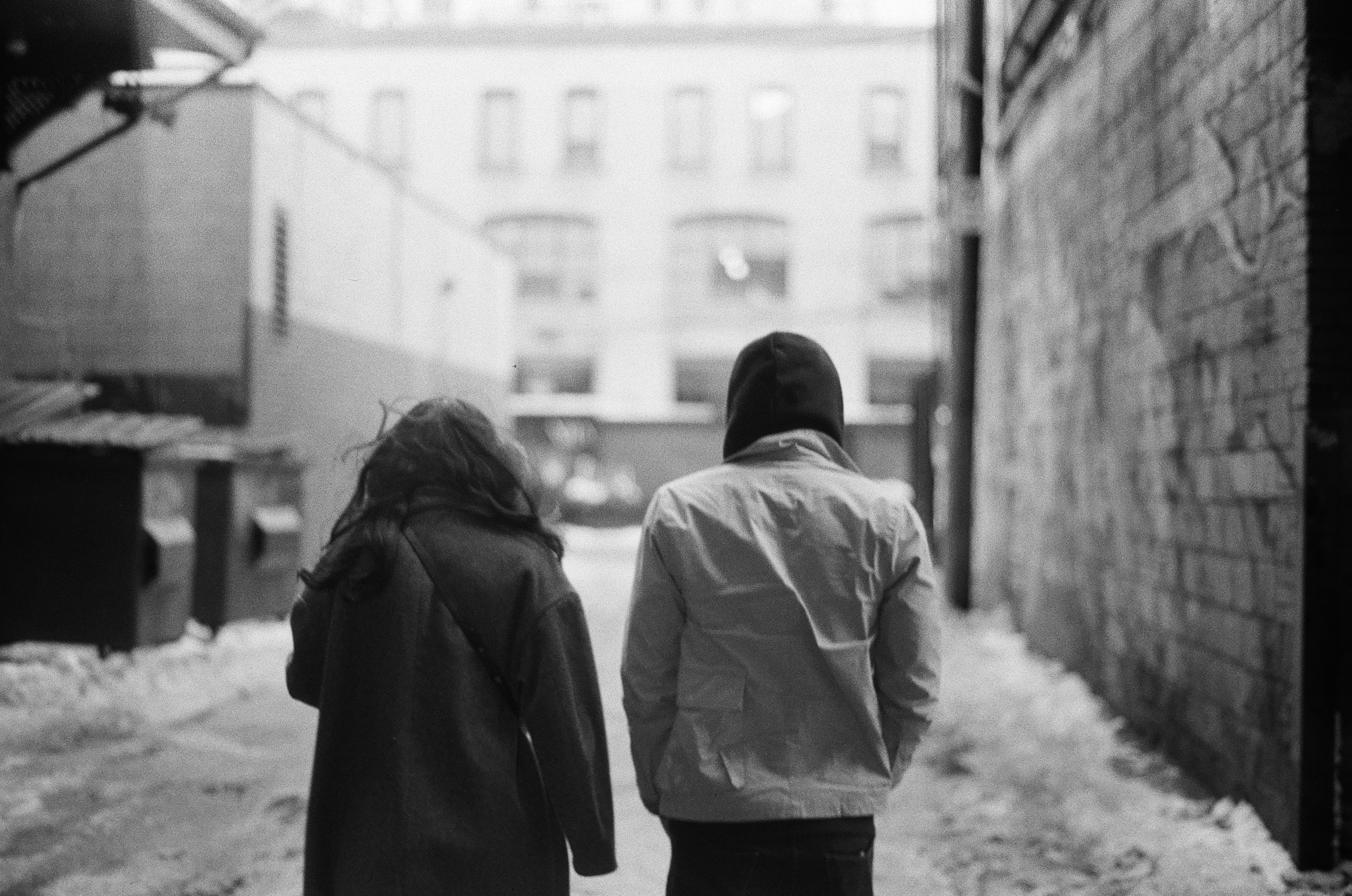
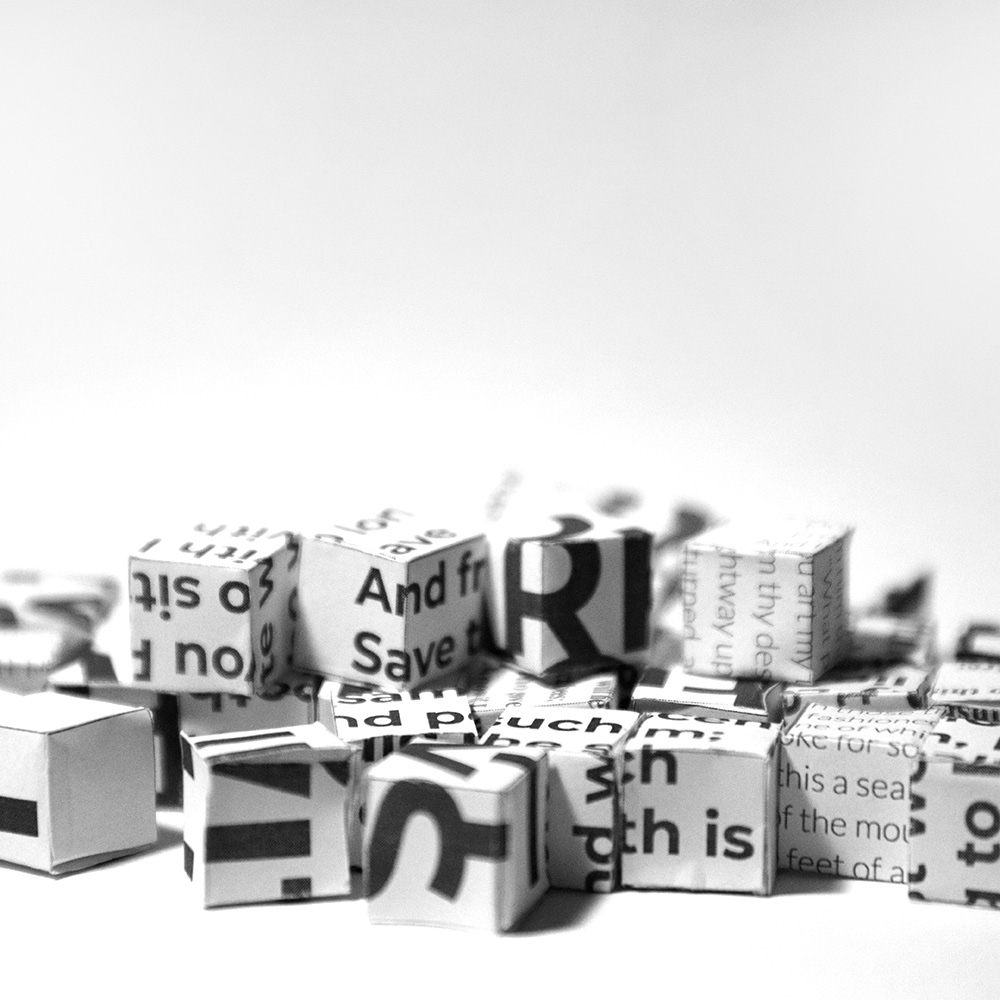
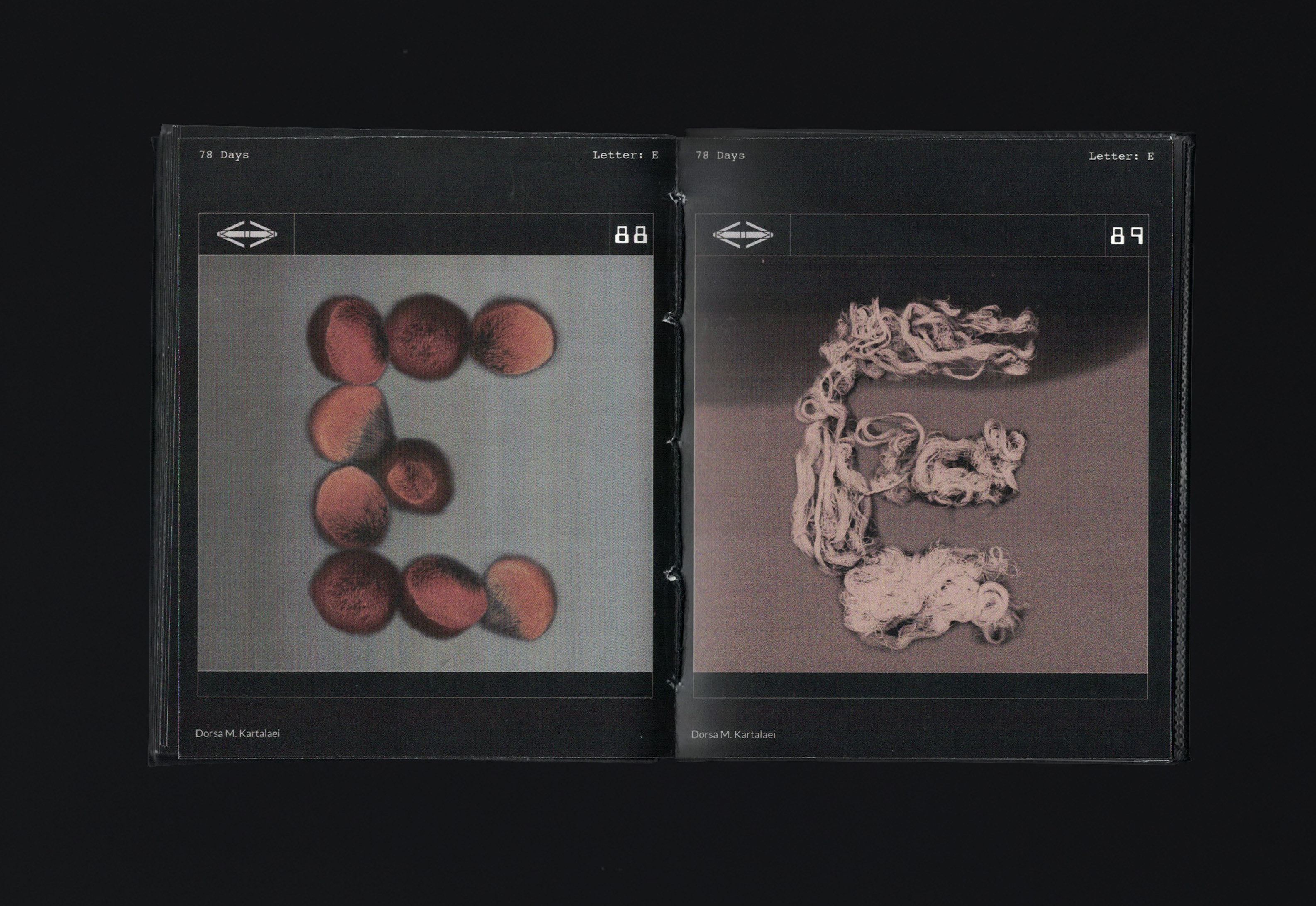
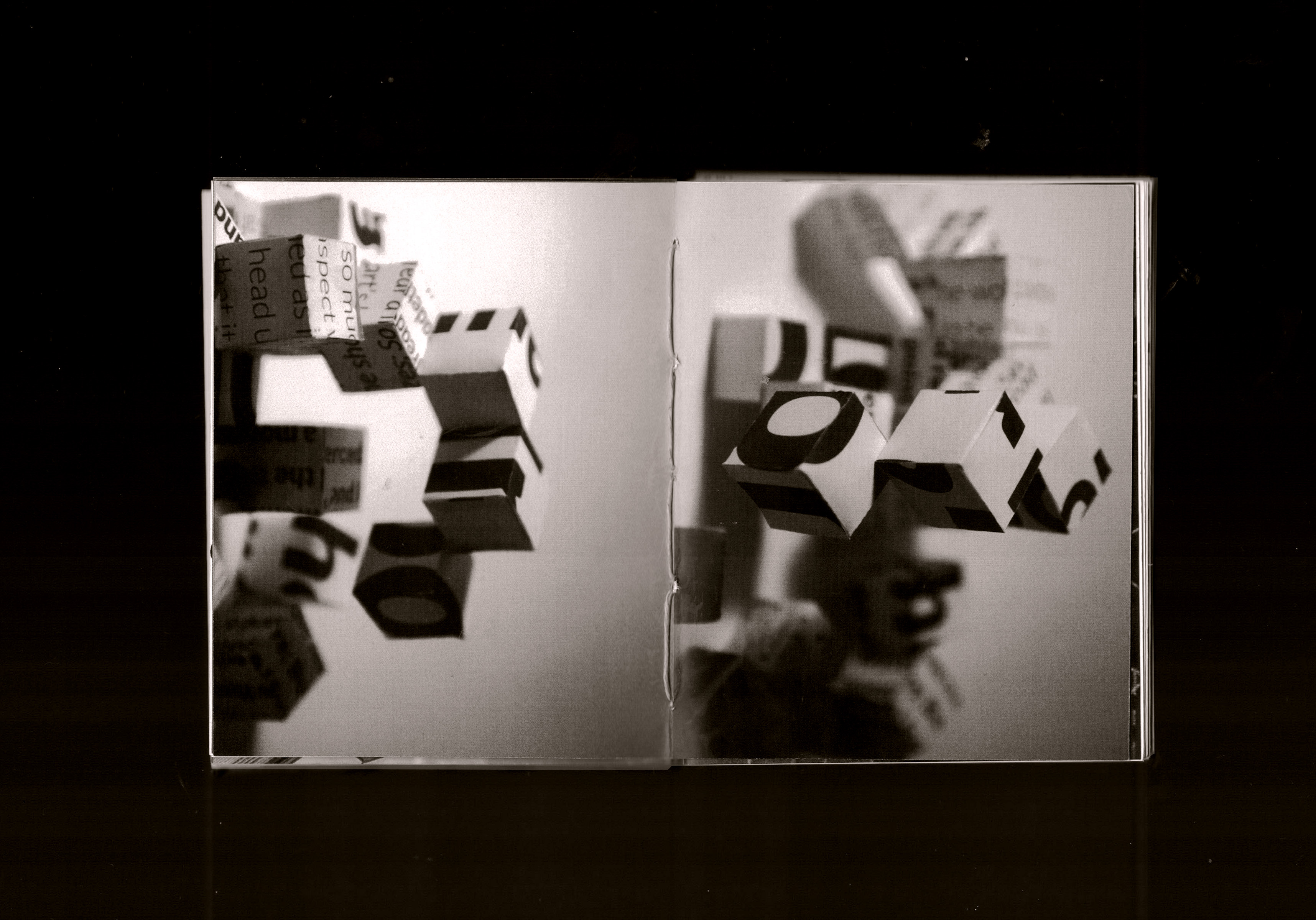
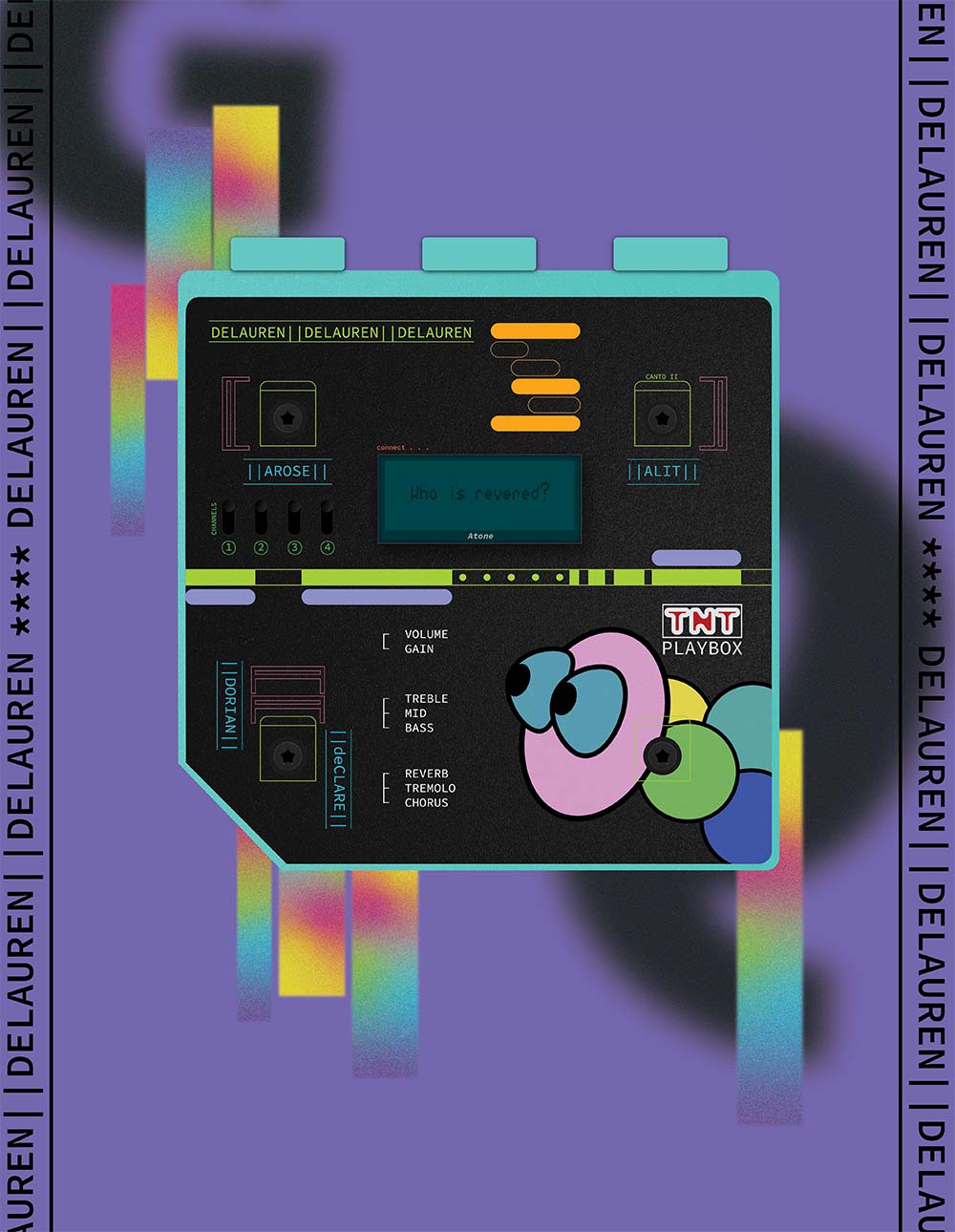
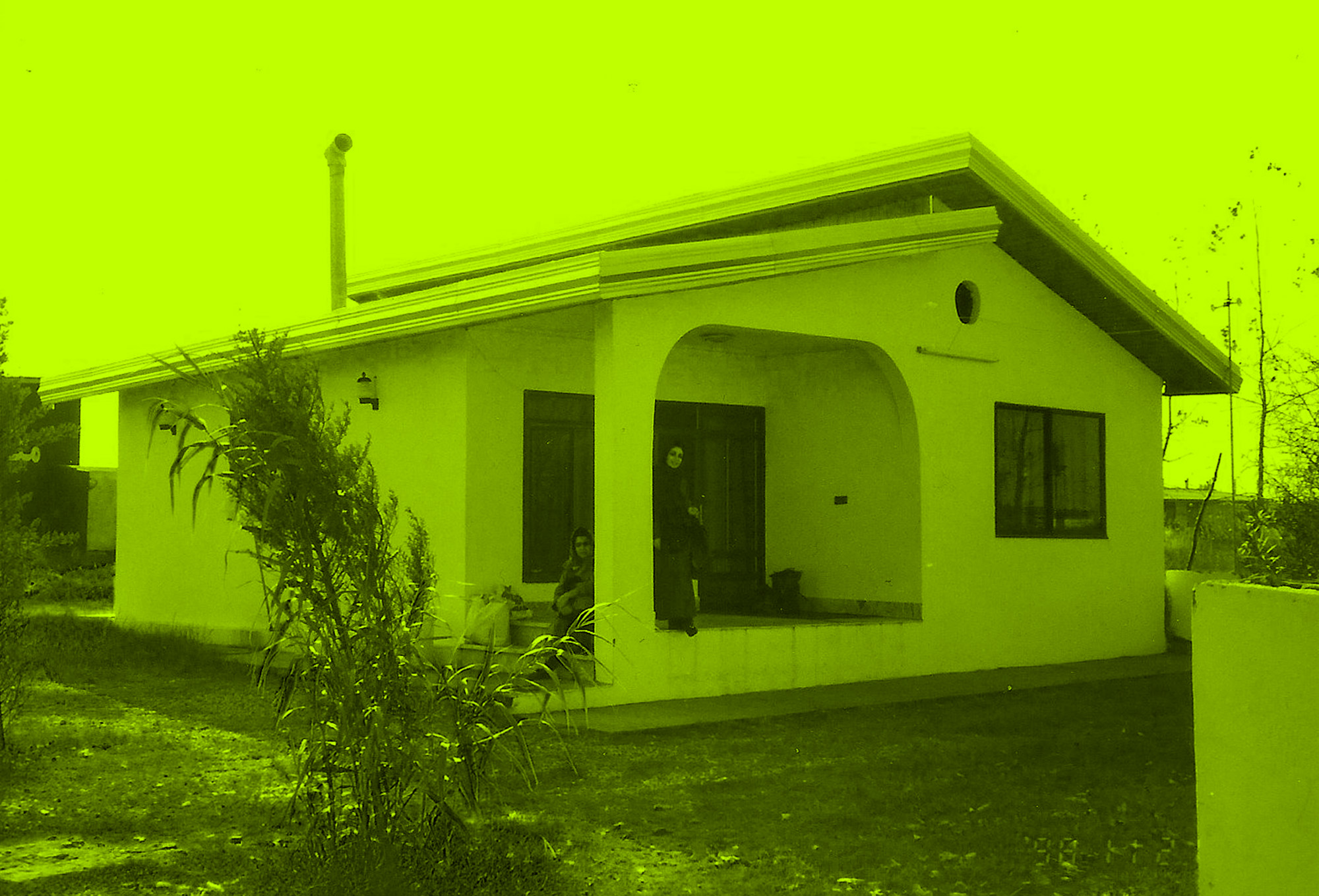
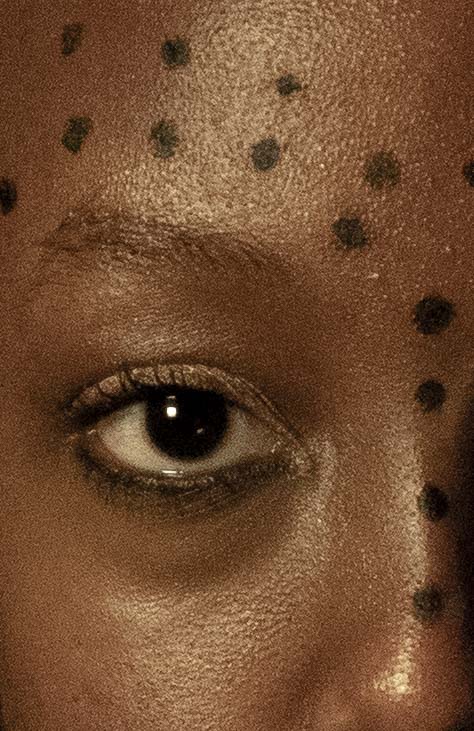
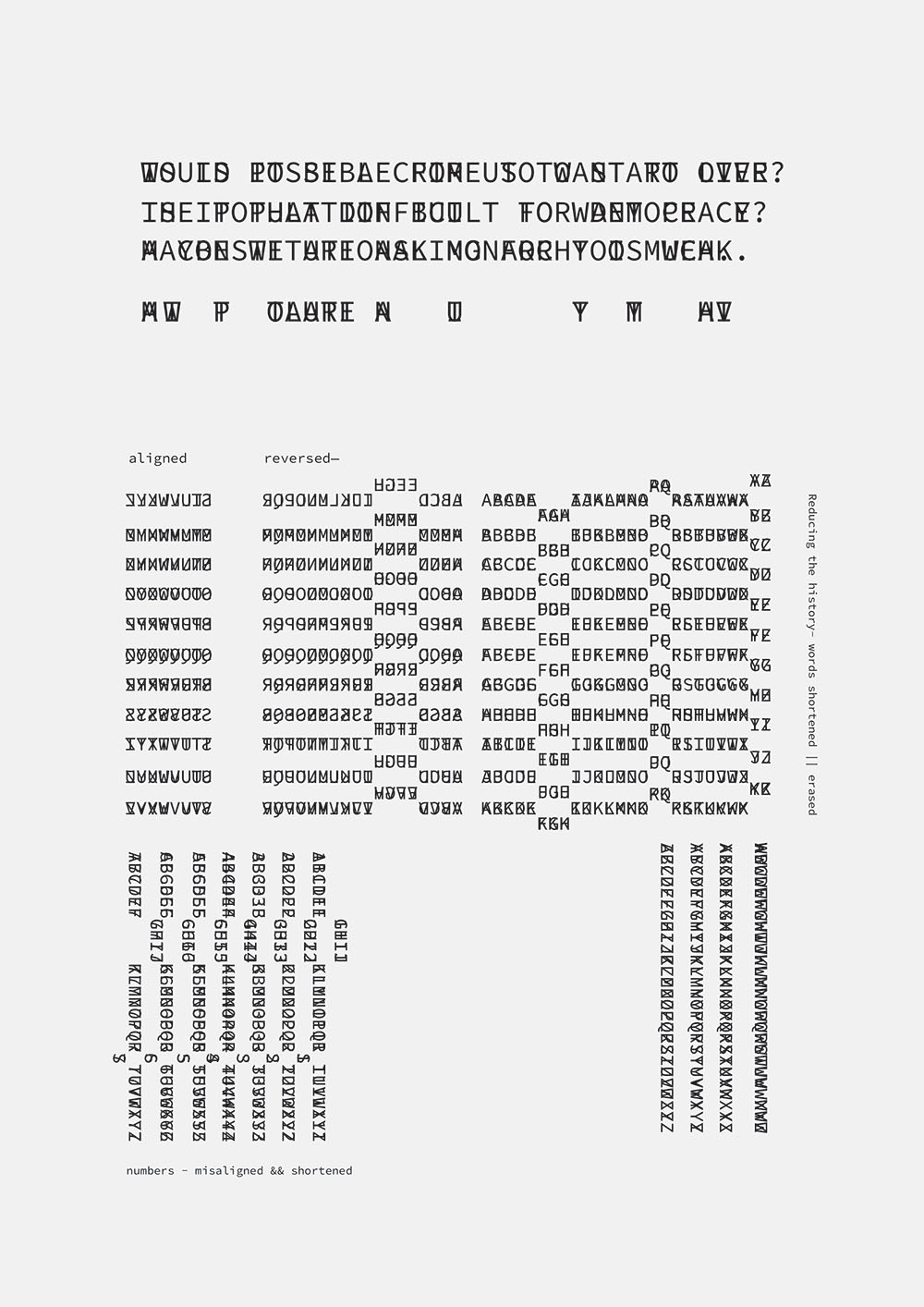
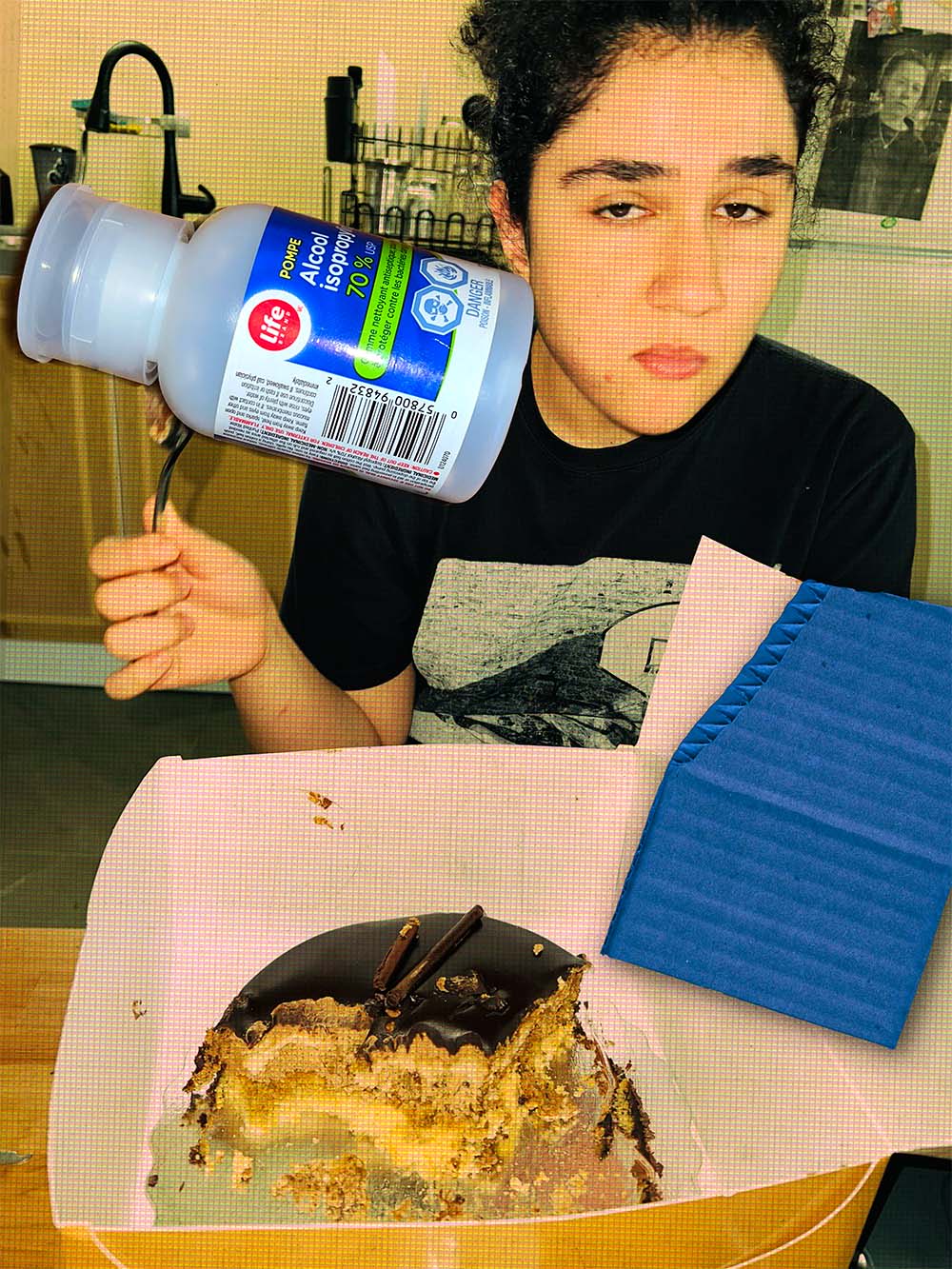
Photography started as a personal experiment. an extension of drawing, painting, and observation. It has become a tool for research, texture, and spatial intuition, forming an ongoing visual archive.
DATE: 2022—2025